
- Official Name: European Solidarity Center (ESC)
- Address: pI. Solidarności 1, 80-863 Gdańsk, Poland
- Date of Opening: 2014
- Timings: 10 AM - 7 PM
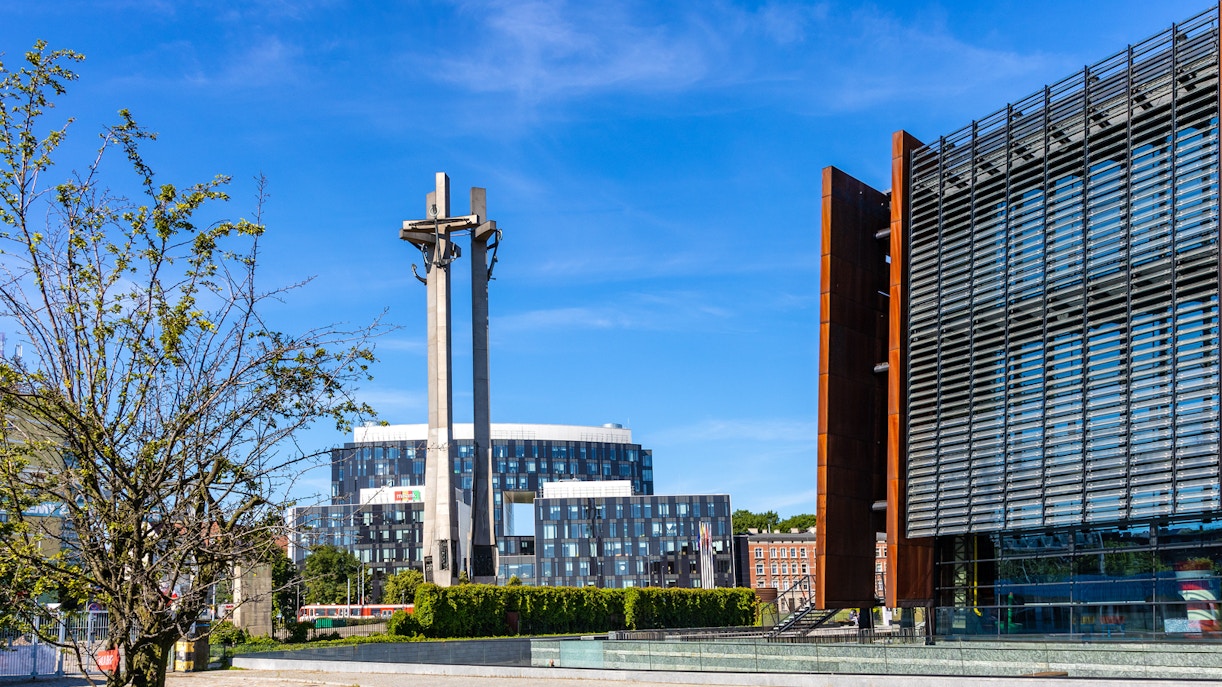
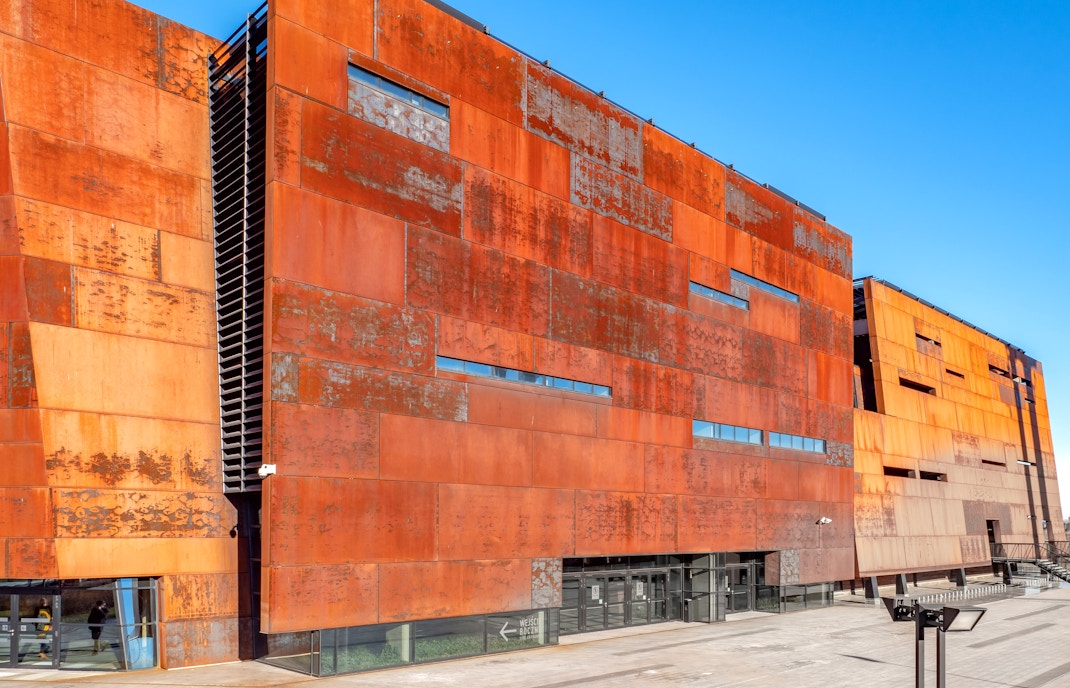
- Architect: The architectural design of the European Solidarity Center is a tribute to the shipyard's industrial heritage. The architects behind this marvelous creation are FORT Architects.
- UNESCO World Heritage Site: While the ESC itself isn't a UNESCO site, it's situated within the historic Gdańsk Shipyard, which played a pivotal role in the Solidarity movement and is a UNESCO World Heritage site.
- Number of Visitors per Year: The center welcomes over 300,000 visitors annually.
- Function: The European Solidarity Center serves as a museum, cultural institution, and educational center, promoting the values of freedom, solidarity, and democracy.
Discover the European Solidarity Center: A Tribute to Solidarity in Gdansk
The European Solidarity Center is a place that encapsulates the spirit of resilience, unity, and the pursuit of freedom. Located in Gdansk, this center preserves the memory of the Polish Solidarity movement and stands as a living testament to the indomitable human will to overcome oppression and strive for a better future. Explore this page to find everything about the iconic European Solidarity Center in Gdansk.
Quick Facts about the European Solidarity Center
Plan Your Visit to the European Solidarity Center Gdansk
Opening Hours
May - September:
Building: 10 AM-8 PM
Permanent exhibition: 10 AM-7 AM (Mon-Fri) | 10 AM-8 PM (Sat-Sun)
October - April:
Building: 10 AM-6 PM
Permanent exhibition: 10 AM-9 PM (Mon, Wed-Fri) | 10 AM-6 PM (Sat-Sun) | Tuesday: Closed
Closed On: 1stJanuary, 6th January, 31st March, 1st April, 30th May, 1st November, 24th December, 25th December, 26th December
Best Time To Visit: Weekdays in the morning tend to be quieter, allowing you to immerse yourself in the exhibits without the crowds.
Location
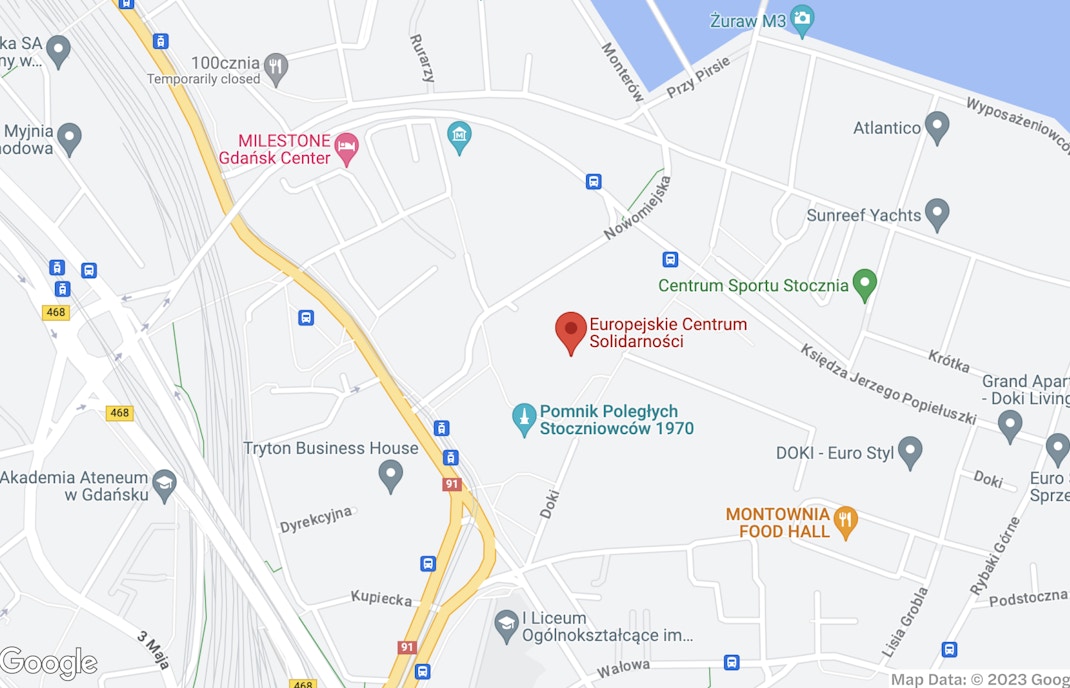
Address: pI. Solidarności 1, 80-863 Gdańsk, Poland
You'll find the European Solidarity Center nestled in the heart of the vibrant city of Gdansk. It is situated in the picturesque area of the Gdansk Shipyard, right by the waterfront of the Motlawa River.
Nearest Landmarks: St. Mary's Church, Gdansk Shipyard
Nearest Bus Stop: Europejskie Centrum Solidarności 02
Highlights of the European Solidarity Center
Permanent Exhibitions
These exhibitions provide a comprehensive overview of the struggles, triumphs, and indomitable human spirit that define Solidarity movement's legacy. Marvel at the carefully curated collection of artifacts, photographs, and videos that offer an intimate look at the history of Poland and Europe.
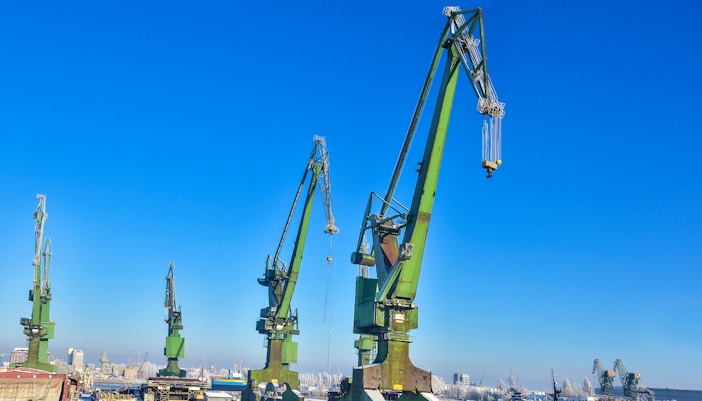
Gdansk Shipyard
Lenin Shipyard, now known as Gdansk Shipyard, was the birthplace of the Solidarity movement and witnessed countless historic moments. Today, it stands as a symbol of transformation, where the sparks of resistance ignited a fire that changed the course of history.
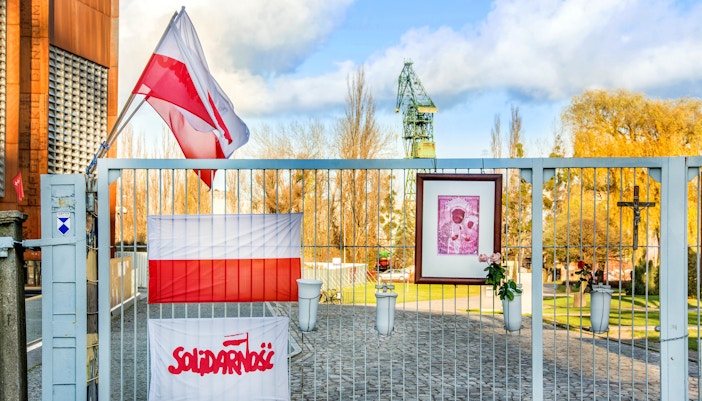
Gdansk Shipyard's Gate No. 2
One cannot visit the European Solidarity Center without paying homage to Gate No. 2 of Gdansk Shipyard. This gate holds a profound significance in the history of the Solidarity movement. It was here, on 16 December 1970, that the army turned their weapons on striking shipyard workers.
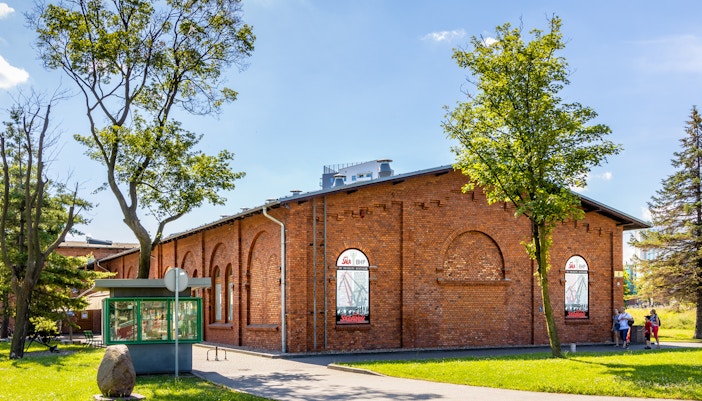
BHP Hall
The historic BHP Hall is more than just a building; it's where history was forged. It was within these walls that the Gdańsk Agreement, a pivotal moment in the Solidarity movement, was signed. This agreement marked a turning point in the struggle for workers' rights and democracy in Poland.
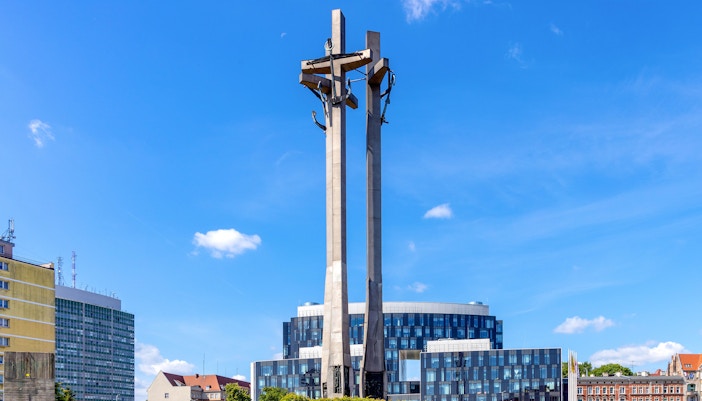
Square of the Fallen Shipyard Workers
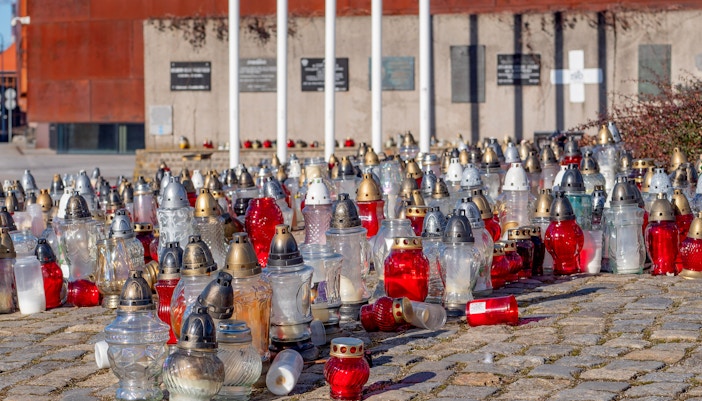
Within the European Solidarity Center's grounds, you'll find the Square of the Fallen Shipyard Workers—a poignant tribute to those who sacrificed their lives for the cause of freedom. It's a place for contemplation, gratitude, and a renewed commitment to the ideals of solidarity and liberty.
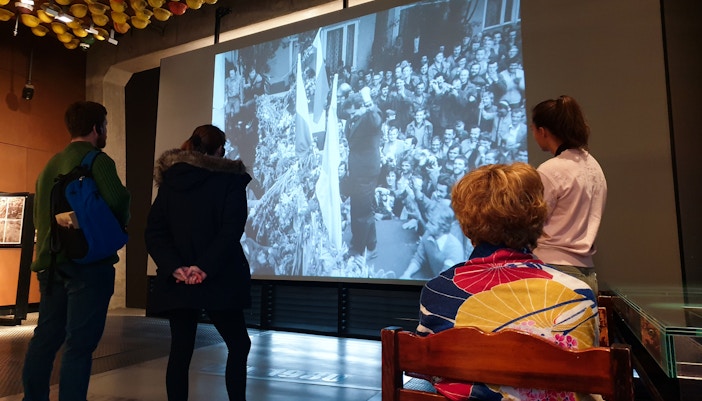
Educational Workshops
The European Solidarity Center offers educational workshops for those looking to dive deeper into the details of the Solidarity movement. You can learn about the principles of solidarity, democracy, and human rights, and gain a deeper understanding of their significance in today's world.
Permanent Exhibitions at the European Solidarity Center

Tables of 21 Postulates
The Tables of 21 Postulates hold the most priceless documents of global significance. These boards bear the demands made by striking workers on August 17, 1980, setting the stage for the birth of the Solidarity movement.

Map of the Protest
The original shipyard plan, transformed into an interactive map, vividly illustrates the workers' protest movement. It's a visual journey that allows you to follow in the footsteps of those who fought for their rights during the Solidarity movement.
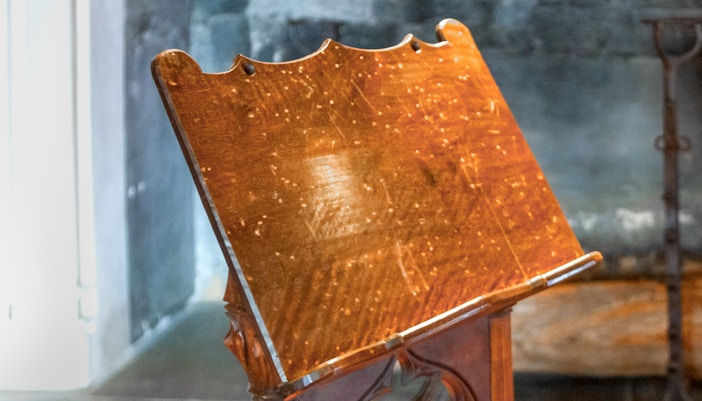
Tools of Resistance
Get up close to the battery cart that was used for transportation, a lectern that became a podium, and even a confessional used during the strike. These artifacts tell tales of ingenuity and determination of that era.
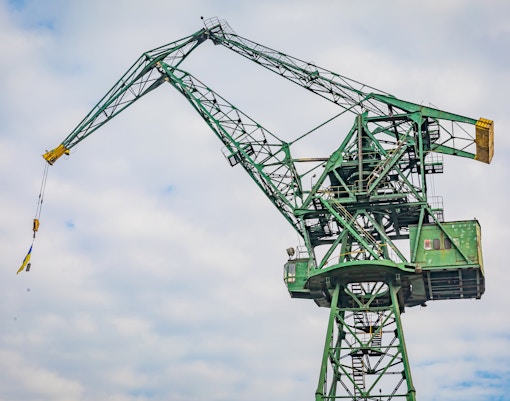
The Crane of Anna Walentynowicz
Don't miss the iconic crane, where the courageous oppositionist Anna Walentynowicz used to work and whose dismissal was one of the reasons that ignited the spark of revolt.
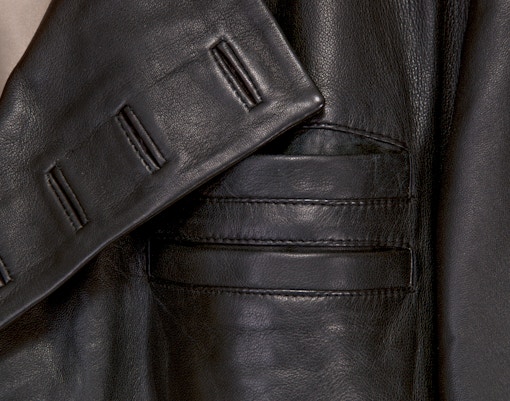
Remembering the Fallen
In honor of those who paid the ultimate price for their desire for freedom, there's an exhibit featuring powerful artifacts like Ludwik Piernicki's shot-through jacket, a haunting reminder of the sacrifices made.
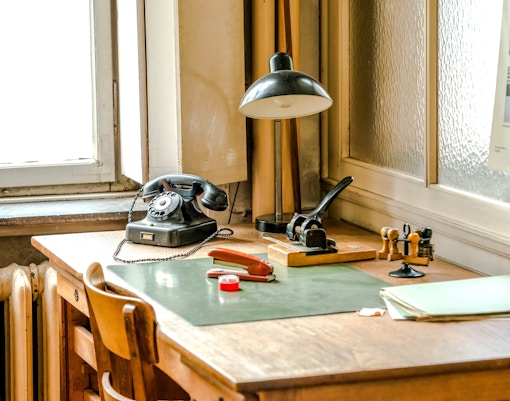
Jacek Kuroń's Desk
Explore the original desk where Jacek Kuroń, a historian and opposition leader during the Polish People's Republic, used to work tirelessly. It's a glimpse into the world of those who dared to challenge the status quo.
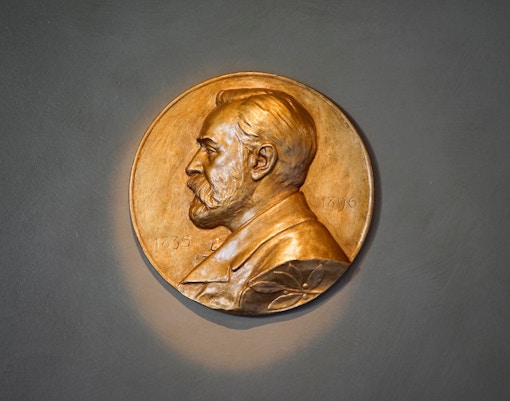
Nobel and Palme d'Or
See the Nobel Prize medal awarded to the renowned poet Czesław Miłosz and the Palme d'Or awarded to director Andrzej Wajda for "Man of Iron." These accolades signify global recognition of Poland's struggle for independence.
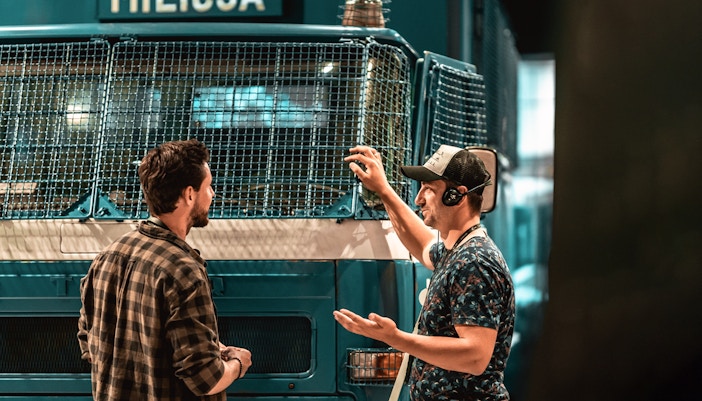
War on Society Room
Explore the "War on Society" room showcasing an old militia vehicle used to transport oppositionists and an artist's reconstruction of the tank-trampled Gate No. 2 of the Gdańsk Shipyard, a chilling reminder of those tumultuous times.
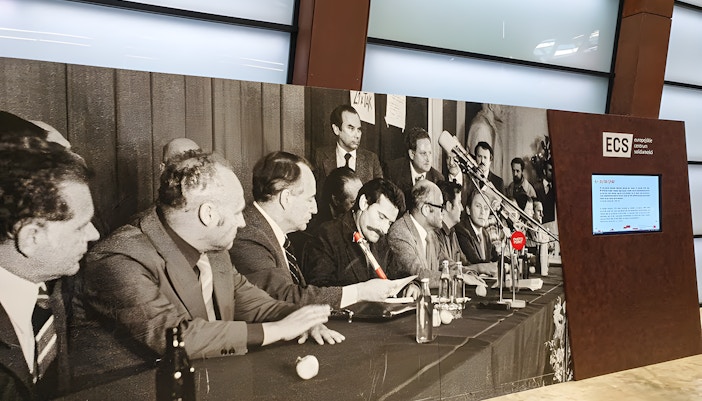
The victory of the Lech Team
Explore election posters, including the iconic "High Noon. June 4, 1989," by Tomasz Sarnecki, which marked the victory of the Lech Team and the start of the system's dismantling.
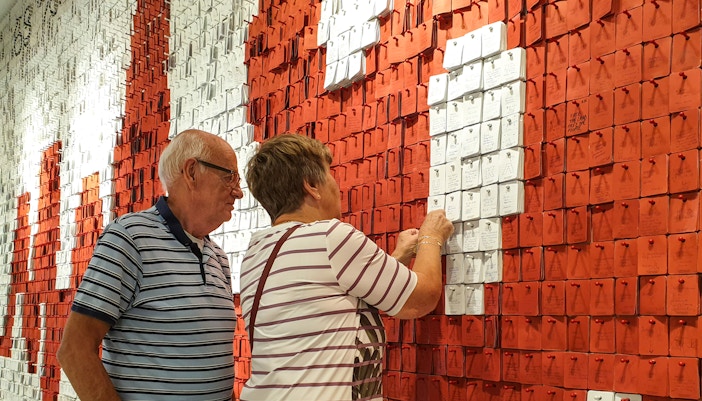
Messages of Solidarity
Conclude your journey by leaving your own message among the heartfelt notes that make up the large inscription SOLIDARITY. It's a touching display of gratitude, hope, and unity from people around the world.
History of the European Solidarity Center
- The European Solidarity Center Gdansk was officially opened in 2014, but its story began much earlier in the 1980s.
- The tumultuous years of the 1980s saw the shipyard workers of Gdańsk, led by Lech Wałęsa, ignite a spark that would change the course of history. Their demand for workers' rights gave birth to the Solidarity movement, a powerful force that played a pivotal role in dismantling the Iron Curtain.
- The European Solidarity Center commemorates this historic labor movement and the birth of Solidarity, the first independent trade union in a communist country.
- Lech Wałęsa, a shipyard electrician turned Nobel laureate and Poland's president, played a central role in this saga. His unwavering commitment to justice and democracy inspires visitors from all over the world.
Who Built the European Solidarity Center?
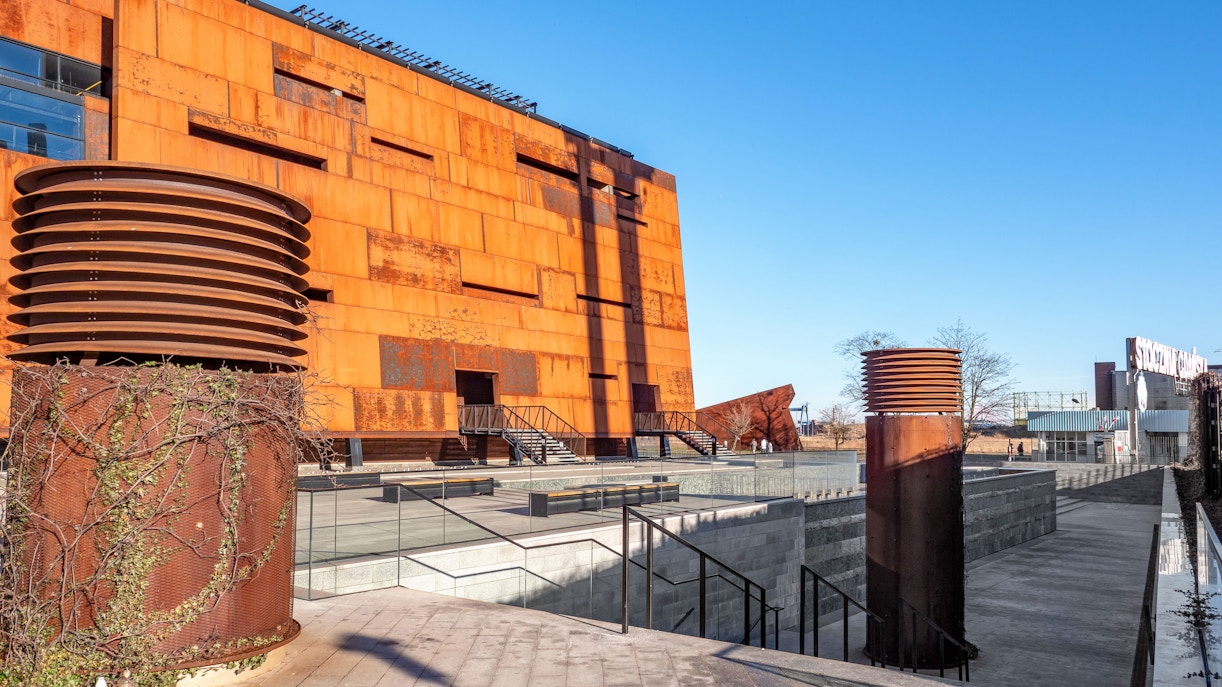
- FORT Architects: The masterminds responsible for the European Solidarity Center's awe-inspiring design is a Polish firm called FORT Architects. They're known for their knack for blending history with modernity and creating architectural marvels.
- Design Concept: FORT Architects' ingenious concept transformed the center into a visual masterpiece, resembling a ship with billowing sails, depicting the region's maritime heritage. They fused the old shipyard's industrial vibes with cutting-edge design, symbolizing the nation's journey toward freedom.
Architecture of European Solidarity Center
- Let's delve into the architectural wonder that is the European Solidarity Center. This extraordinary structure, completed in 2014, marries modern design with profound symbolism.
- The center's ship-like appearance pays homage to the Gdańsk Shipyard, the very place where the Solidarity movement began.
- The sleek lines and metallic accents pay homage to the shipyard's industrial past.
- The building's steel and glass structure symbolizes the strength of the shipyard workers and the transparency of democracy.
- Inside, you'll discover a harmonious blend of glass, steel, and concrete, creating an inviting space that celebrates openness and transparency – values central to the Solidarity movement.
- Its iconic sail-shaped roof symbolizes the spirit of change like a ship setting sail into a new era of hope and unity.
Frequently Asked Questions About the European Solidarity Center
The European Solidarity Center is a captivating museum and cultural institution that commemorates the Polish Solidarity movement, which played a pivotal role in the downfall of communism in Eastern Europe. The center is a testament to the indomitable spirit of the people who fought for freedom and justice.
- Permanent Exhibits: Explore thought-provoking exhibits showcasing the history of Solidarity, including original documents, artifacts, photographs, and personal stories.
- Interactive Displays: Engage with multimedia installations and immersive displays that transport you back in time.
- Breathtaking Architecture: Don't forget to admire the stunning modern architecture of the building itself.
- Gdansk Shipyard: Explore the Gdansk Shipyard and its Gate No. 2, the place where the Solidarity movement began.
You can book your European Solidarity Center tickets online in advance to make the most of your visit. This ensures a seamless entry, especially during peak tourist seasons. You can also purchase tickets on-site, but keep in mind that there may be longer queues.
The starting price of European Solidarity Center tickets is zł338.7. This typically includes skip-the-line tickets to the European Solidarity Center, a 3-hour guided tour with an expert guide, and access to Gdansk Shipyard and BHP Hall with a complimentary drink (non-alcoholic).
The European Solidarity Center stands as a tribute to one of the most influential labor movements in history. It all began in the shipyards of Gdansk in the 1980s when brave workers, led by Lech Walesa, dared to stand up against oppression. This center showcases their struggle, triumphs, and the birth of the Solidarity movement, which played a pivotal role in shaping modern Europe.
European Solidarity Center Building Hours:
- May to September:
undefinedPermanent Exhibition Hours:
undefinedundefinedundefined- Saturday and Sunday (October to April):
The best time to visit the European Solidarity Center is during weekdays, especially in the morning. This allows you to avoid the crowds and get a more peaceful and immersive experience.
You'll find the European Solidarity Center at pI. Solidarności 1, 80-863 Gdańsk, Poland. It's conveniently located in the heart of Gdansk, making it easy to incorporate into your travel plans.
Start at the European Solidarity Center, then explore the Old Shipyard, BHP Hall, Lenin Shipyard's Gate No. 2, and finish at the Square of the Fallen Shipyard Workers. This route will ensure you don't miss any important highlights.
Yes, there are plenty of amenities to make your visit comfortable, including an underground parking lot, audio guides for rent, restrooms, and a cafe on the ground floor called Corten, where you can grab a bite to eat.
The Gdansk Shipyard, St. Mary's Church, and the picturesque Motlawa River are just a stone's throw away from the European Solidarity Center. Take a stroll and discover the city's rich heritage and vibrant culture.