Step into a medieval masterpiece and explore St. Anne Chapel's intricate Gothic architecture, delicate frescoes, and stunning stained glass windows.
Experience the best of Malbork Castle Museum
Crafted by Headout, a global experiences brand offering curated tours, tickets & experiences. Discover with ease, book with peace.Loved by over 57 million guests worldwide
Headout is an authorized and trusted partner of this venue
How Headout makes choosing experiences effortless
We curate the best ways to experience
We research and organise all unique experiences - from tickets to tours to special combos - so you get all the choices without the clutter.
We partner with the best
Every supplier is vetted for quality, reliability, and value so you only get top rated experiences. No surprises, no disappointments.
All the best options, in one place
Each experience is thoughtfully organised to give you maximum availability, great value and an easy way to choose.
Book with complete peace of mind
Free cancellations, Flexible payments, and 24/7 support - thoughtfully designed for flexibility, assurance, and total peace of mind.
Slide 1 of 41/4
Slide 1 of 4



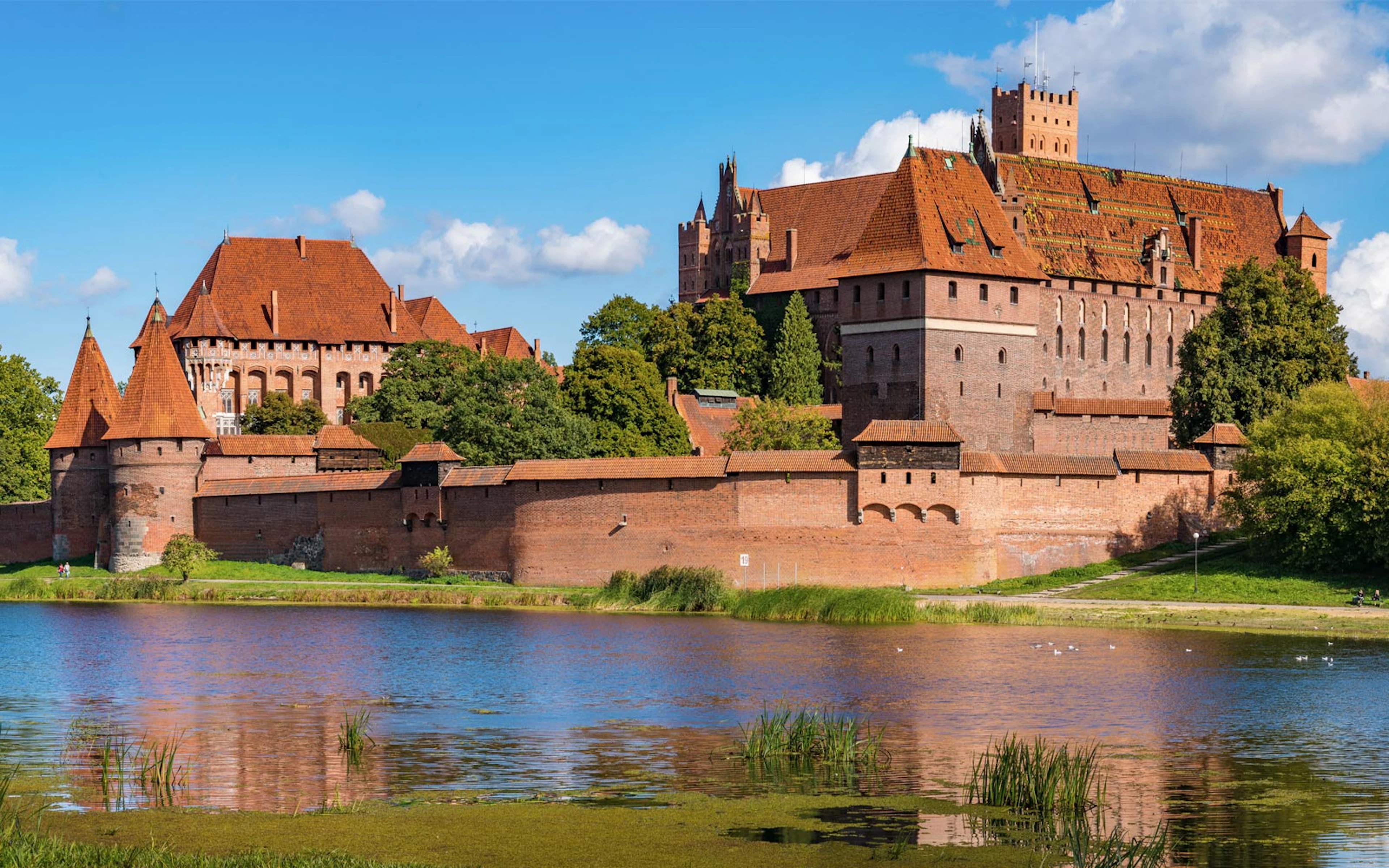
Visit Malbork Castle | Europe's largest brick fortress
Malbork Castle, a UNESCO World Heritage site, stands as a testament to the Teutonic Order's grandeur. From its origins as an imposing fortress to its role in shaping European culture, the Malbork Castle beckons with tales of valor, intrigue, and architectural marvels. On this page, we will unravel the secrets of the Malbork Castle, guide you through ticket options, and equip you with the essential information to help you make your visit unforgettable.
Why visit Malbork Castle?
1/6
Largest brick castle in the world
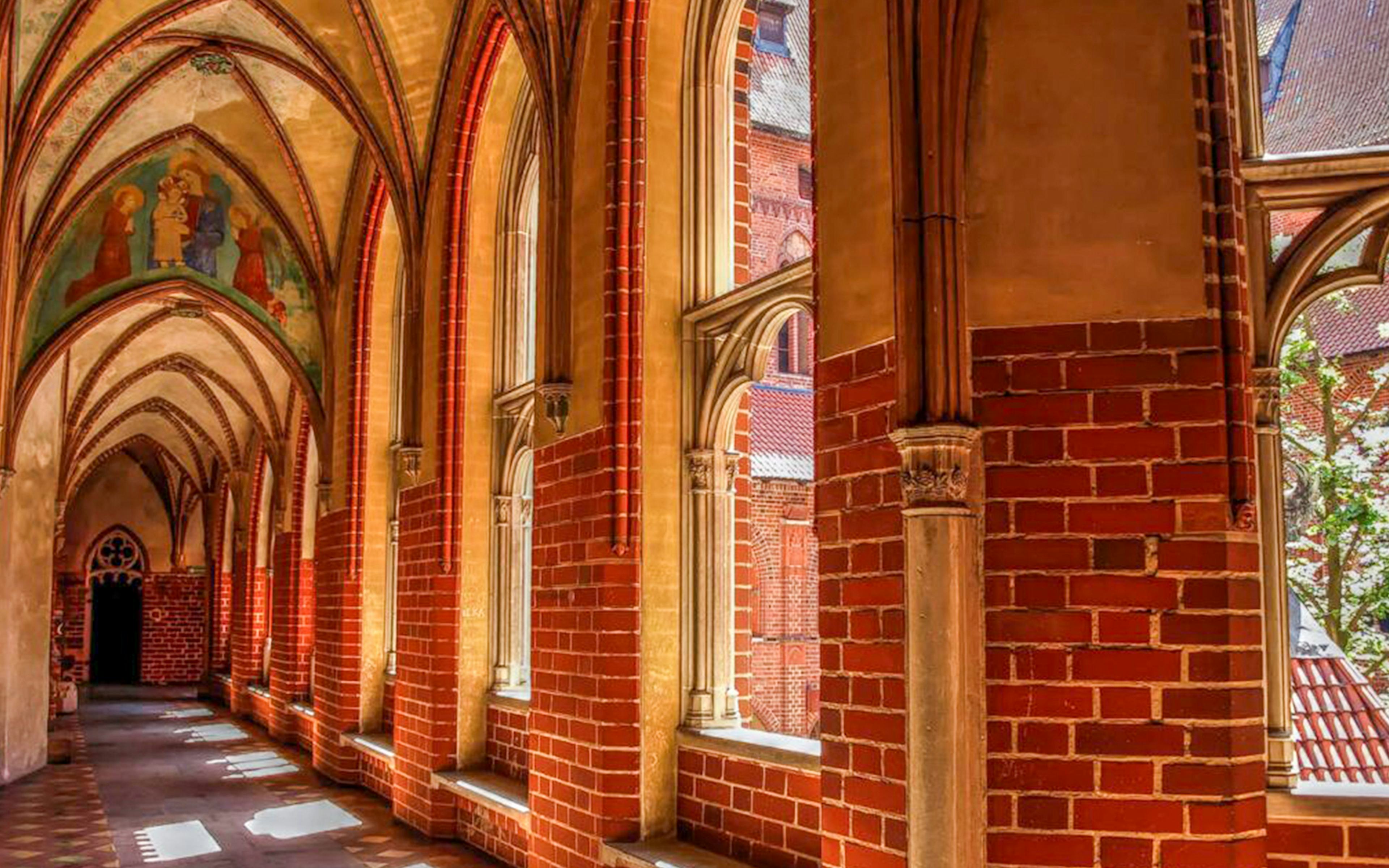
Built by the Teutonic Knights in the 13th century, Malbork Castle is a true Gothic wonder. Spanning over 21 hectares, it has three distinct sections, the High, Middle, and Low Castles. As you wander through its towering walls and grand vaulted halls, you can’t help but marvel at the skill of medieval builders.
Fascinating amber collection
The Baltic region is famous for its amber, and Malbork Castle proudly displays one of Poland's finest collections. Here, you can marvel at beautifully crafted jewelry, sculptures, and decorative pieces that reflect how amber trade once connected the Teutonic Order to other parts of Europe.
UNESCO World Heritage Site
Visiting Malbork Castle is like stepping back into Europe’s medieval past. Once the heart of the Teutonic Order, this grand fortress witnessed fierce battles and power struggles that shaped the Middle Ages. The castle’s medieval design offers visitors a rare glimpse into the era of crusades and knighthood.
Scenic location on the Nogat River
Perched on the banks of the Nogat River, Malbork Castle offers scenic views and a peaceful atmosphere. The river and lush greenery surrounding the castle add to its charm, offering plenty of picture-perfect spots.
Special seasonal events
At Malbork Castle, you can also enjoy a variety of rotating exhibits, that caters to all age groups. Seasonal events, such as medieval fairs, jousting tournaments, and historical reenactments, add an extra layer of excitement. You can interact with costumed characters and catch a glimpse of everyday medieval life.
Stunning photo opportunities
Malbork Castle, with its towering walls and scenic riverside location, is a photographer’s paradise. The fortress offers endless unique angles, from high viewpoints atop the towers to sweeping shots of the entire grounds. Don’t miss the stunning reflection of the castle on the Nogat River; it's a truly picture-perfect sight!
Things to know before booking Malbork Castle tickets
- All Malbork Castle tickets come with multilingual audio guides and include hotel pickup transfers from multiple locations, including Gdansk and Warsaw.
- Starting in Gdansk, the 5-hour Malbork Castle guided tour allows you to bypass the long ticketing lines. Get expert insights from an English-speaking tour guide and also enjoy exploring on your own with the included audio guide.
- With Malbork Castle entry tickets, you can choose between two routes. The historical route takes you through the castle interiors, from the Grand Master's Palace to the impressive Great Refectory, and the Castle grounds route offers a 1.5-hour tour through the Outer Bailey, scenic courtyards, and the serene Chapel of St. Anne.
- The Malbork Castle tour starting from Warsaw is better suited for visitors, who have a full day to spare and want to explore both the castle and the Gdansk Old Town. After visiting the castle, stroll through the cobbled streets of the Royal Route. Stop by Amber Museum and enjoy Long Street’s unique architecture, featuring the Golden House and Court of Artus.
- The guided tour from Warsaw has you covered with meals and transportation, making it a hassle-free experience from start to finish. After exploring the castle, relax over a delicious meal at a local restaurant, where you can savor regional delicacies like zurek (rye soup), pierogi (potato dumplings), kaszanka (blood sausages), sledz (pickled herring), and more.
- The Malbork Castle day tour is tailored for visitors who value privacy and prefer a more personalized experience, offering exclusive round-trip transfers from Warsaw in a private, air-conditioned vehicle. While there’s no live guide on this tour, you won’t miss out on any hidden gems. Dive into the areas that interest you most and explore the site at your own pace with the included audio guide.
- Equipped with ramps and elevators, the Malbork Castle ensures visitors in wheelchairs can seamlessly navigate between the main entrance, certain courtyards, and restrooms. However, the castle’s medieval design and cobblestone surfaces can make exploring a bit challenging for wheelchair users.
Malbork Castle highlights
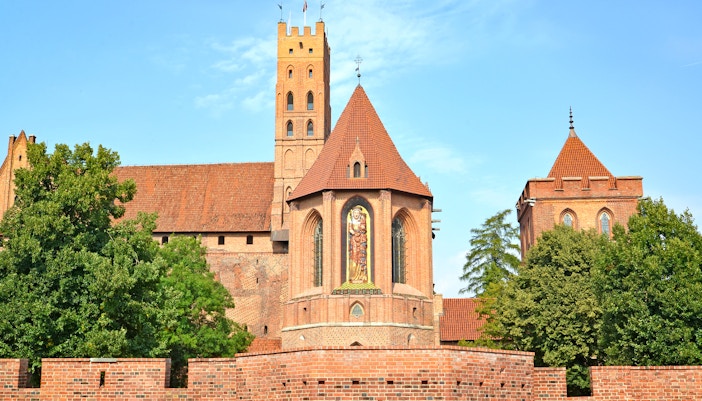
Anne Chapel
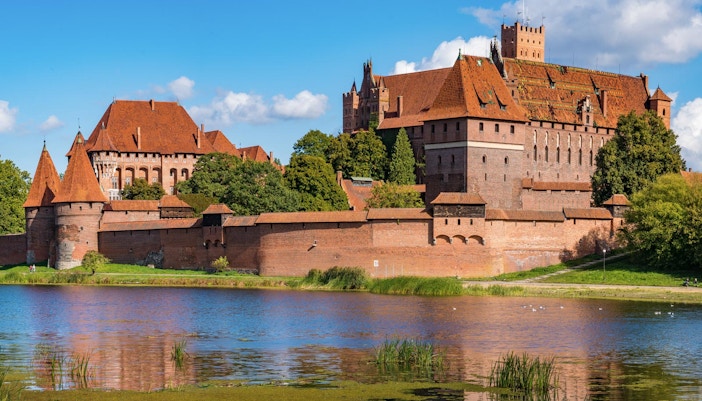
The Outer Bailey
Witness the history unfold in the vast Outer Bailey. Imagine knights and nobles bustling about as you explore Malbork Castle's most vibrant place.
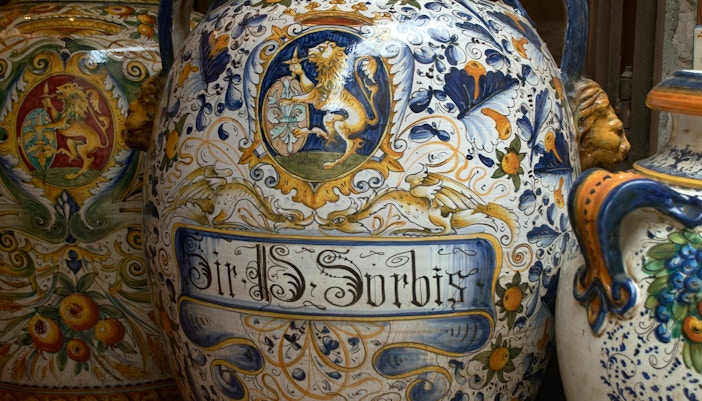
Ceramic collection
Marvel at the delicate beauty of centuries-old ceramics. This collection showcases the artistic skills and refined tastes of the castle's inhabitants.
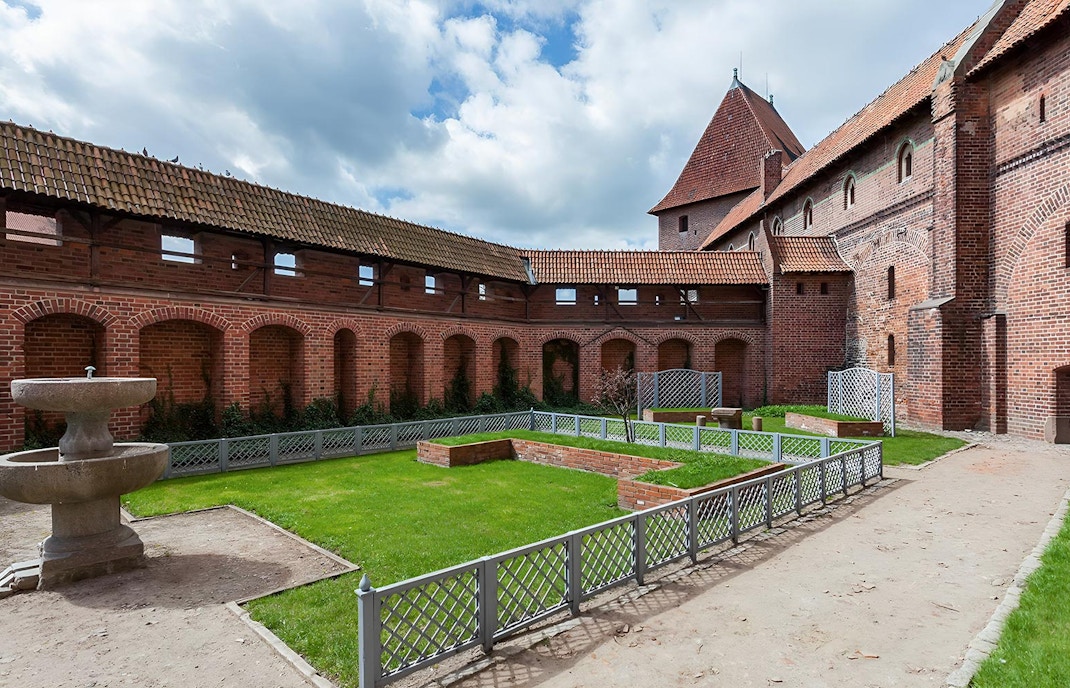
Enchanting gardens
Stroll through the Castle Gardens, a serene oasis with vibrant flora. Unwind amidst nature's embrace, a stark contrast to the castle's imposing architecture.
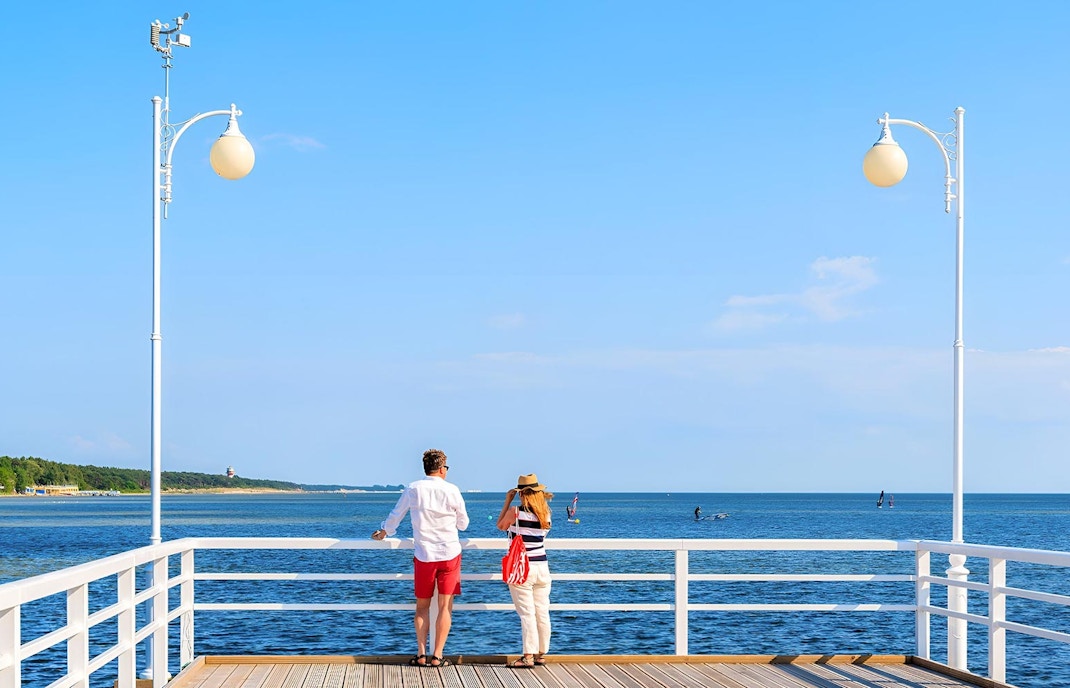
Boat rides
Take a scenic boat ride along the Nogat River, offering picturesque views of the castle from the water, providing a unique vantage point to appreciate its grandeur.

Amber collection
Discover the fascinating Amber Museum, housing a vast collection of amber artifacts showcasing the region's rich history of amber craftsmanship.
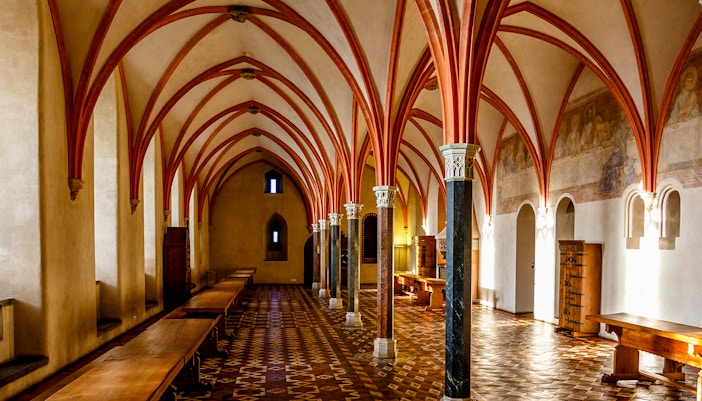
The Grand Refectory
It is where Teutonic Knights once dined amidst intricate Gothic decor. The opulent decor and intricate design of this space showcase the grand lifestyle of castle's inhabitants.
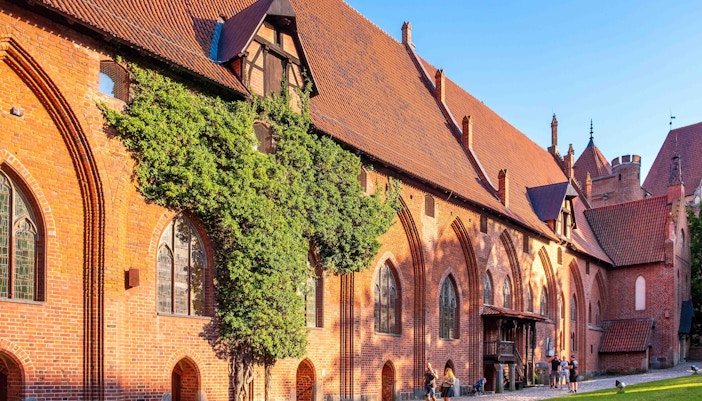
Ordensburg Fortress
Malbork Castle was built as an Ordensburg Fortress or a fortified military structure. Its colossal walls and towers stand as a testament to the Teutonic Knights' power and strategic brilliance.
Plan your visit to Malbork Castle
27 April to 30 September:
- Monday: 9am to 4pm
- Tuesday to Sunday: 9am to 3pm
1 October to 26 April:
- Monday: 9am to 4pm
- Tuesday to Sunday: 9am to 3pm (Historical Castle route) & 1:15pm to 4pm (Castle grounds route)
Last admission:
- Castle grounds on Mondays: 2:30pm
- Historical Castle route: 1pm
- Castle grounds route: 2:30pm
Closed on: January 1, March 31, November 1, & December 25
Address: Starościńska 1, 82-200 Malbork, Poland
Find on maps
- By train: To reach Malbork Castle, the most efficient public transport option is the train. Regular services operate from Gdansk Głowny to Malbork Station, with journey times ranging from 25 to 55 minutes, depending on the train type. Upon arrival at Malbork Station, the castle is approximately a 20-minute walk away.
- By car: Enjoy a scenic 1-hour drive from Gdansk to Malbork Castle, taking about 45 to 60 minutes, depending on traffic. The most direct route is via the S7 expressway. Ample parking space is available near the castle.
- Included transfers: Alternatively, you can choose a ticket that includes round-trip transportation to the castle from Gdansk or Warsaw, making your visit convenient and hassle-free.
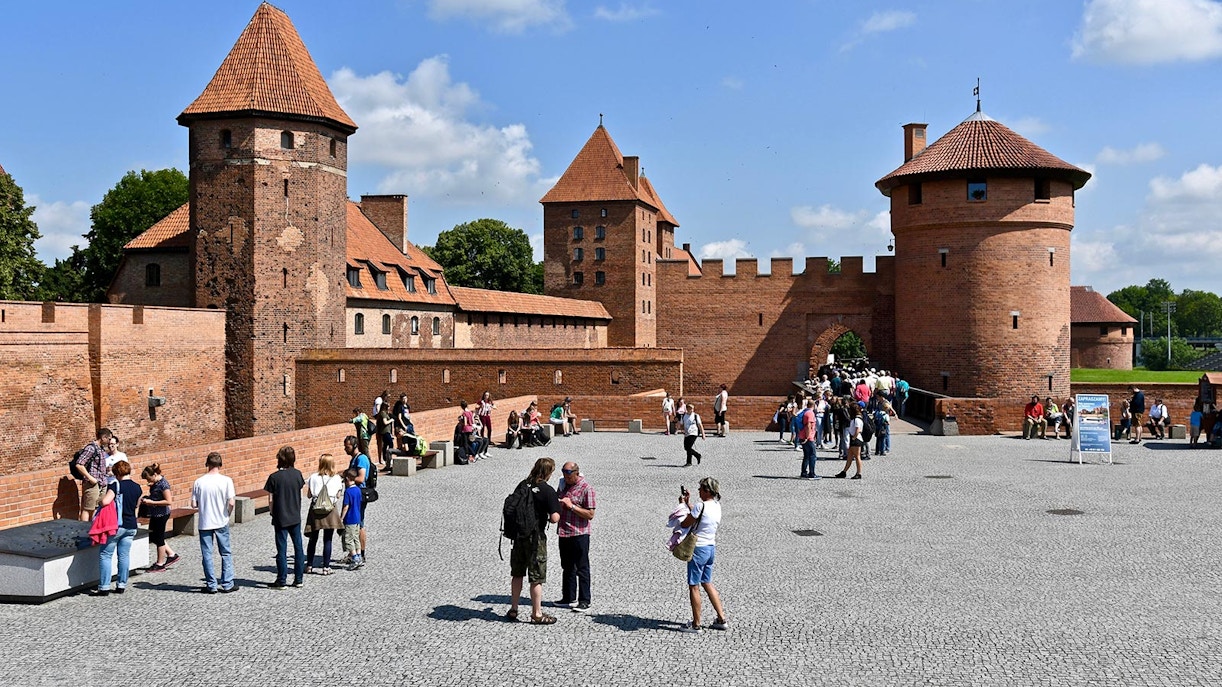
- Souvenir shops: Browse the souvenir shops for unique gifts and mementos to remember your visit.
- Parking: Free parking is available near the castle.
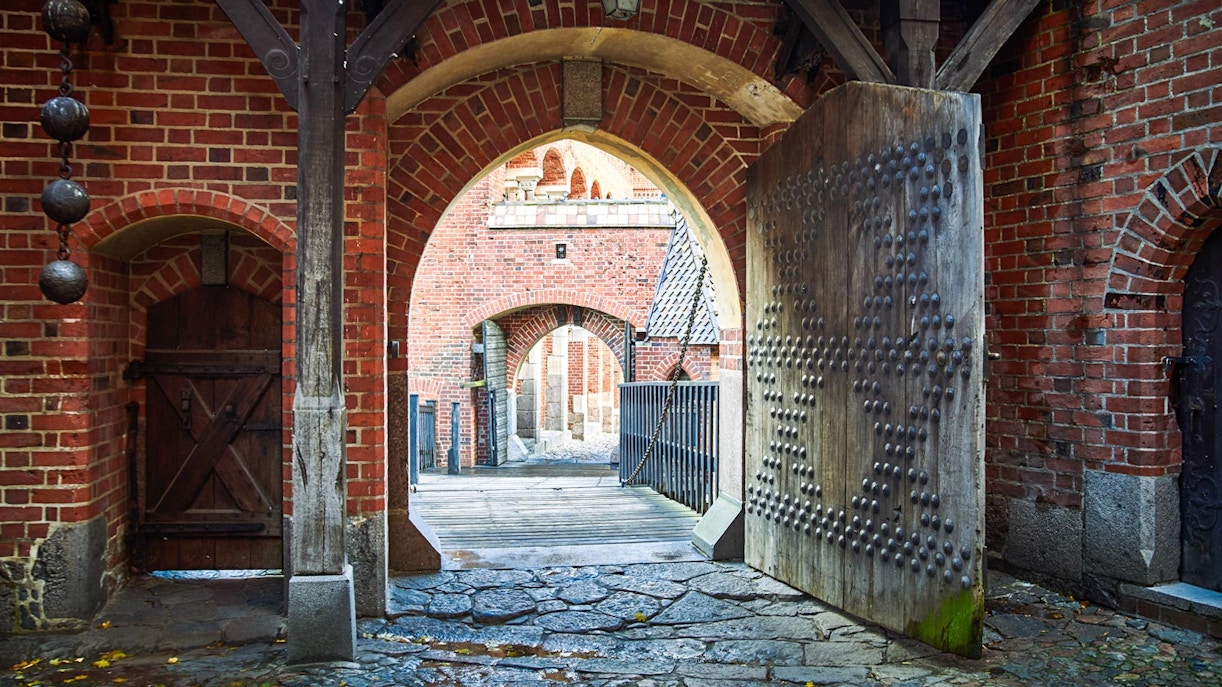
Malbork Castle’s historic structure poses some limitations, but the following features aim to enhance accessibility and ensure a welcoming experience for all visitors.
- Wheelchair access: Parts of the castle are accessible for wheelchair users, though certain areas, especially those with narrow staircases and cobblestone paths, may be challenging to navigate.
- Accessible entrances and pathways: The castle grounds have several accessible entry points, and some pathways are designed for easier access, particularly in the lower sections. However, the High Castle and other elevated areas have limited accessibility, due to steep stairs and uneven surfaces.
- Resting areas: Benches and seating areas are available throughout the castle grounds, allowing visitors to rest as needed.
- Elevator access: While elevators are limited, some sections of the castle provide lift access to aid those with mobility challenges.
- Accessible restrooms: There are accessible restroom facilities within the castle grounds.
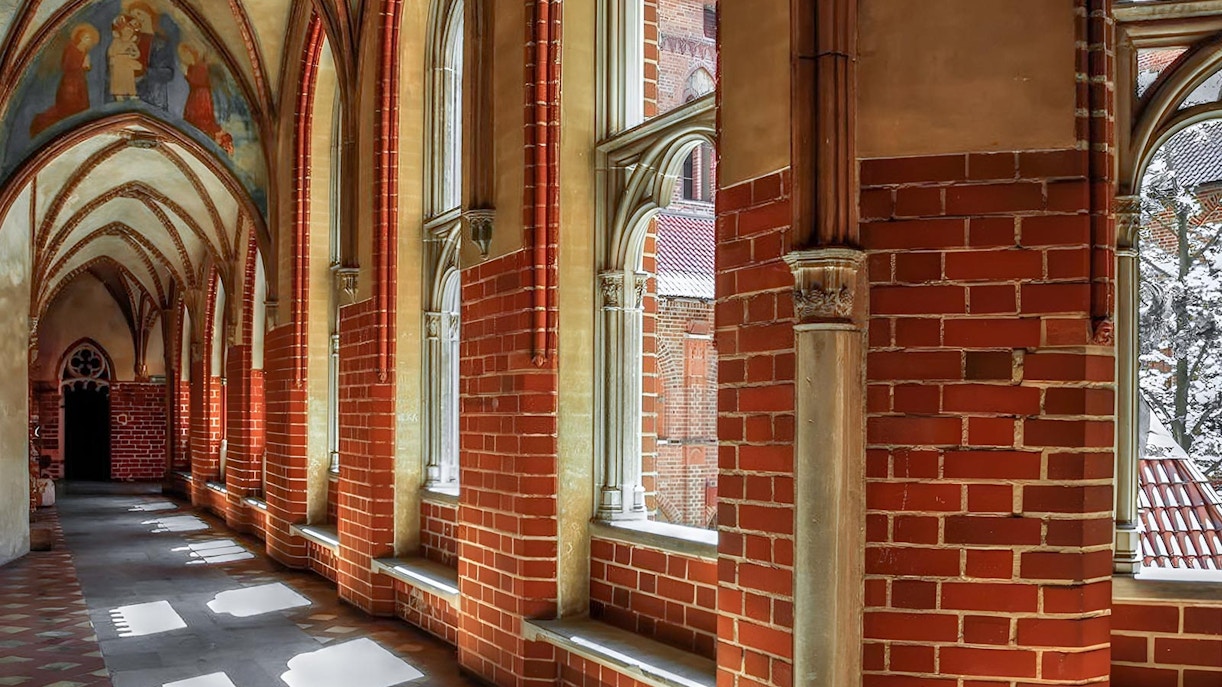
- Respect the artifacts: The castle is home to an array of priceless artifacts and historical treasures. Please refrain from touching or handling any items on display.
- Photography: Feel free to capture the enchanting beauty of the castle, but remember to turn off your flash and avoid using tripods inside the exhibition halls.
- Waste reduction: Dispose of your trash responsibly and use recycling bins provided on the castle grounds.
- Respect cultural heritage: Treat the castle and its surroundings with respect, preserving its historical and cultural significance for generations to come.

- Restauracja Piwniczka (21 m): This charming restaurant offers a cozy ambiance and a menu showcasing the diverse flavors of the region. Don’t forget to try their delicious salads and beef.
- Restauracja Karolinka & Lenka (650 m): This establishment boasts a diverse menu, including both Polish and international dishes, and is famous for its affordable prices.
- Kamienica (900 m): Experience traditional Polish cuisine with a modern twist at Kamienica. Indulge in pierogi, a beloved Polish dish, or savor other delectable offerings on their menu.
- Restauracja Parkowa Przystań (2 km): This restaurant boasts a lovely garden setting, perfect for a leisurely meal after your castle exploration.
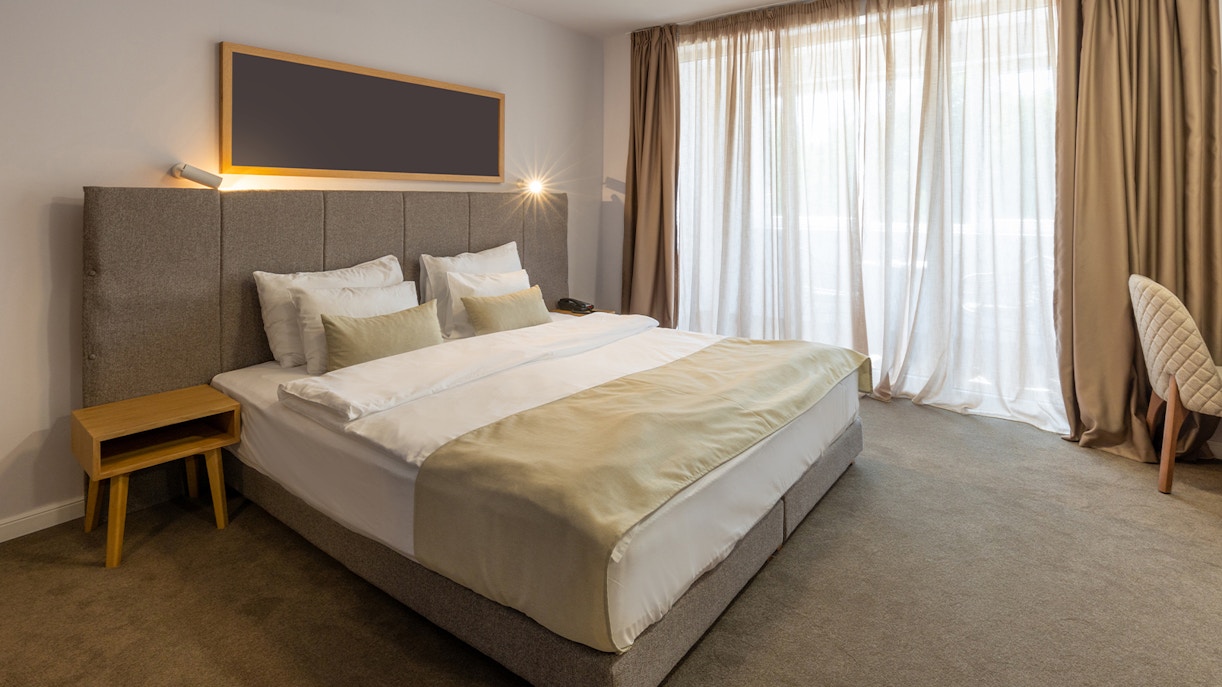
- Budget: Premium Bed & Breakfast, Hotel & SPA Majewski
- Mid-budget: Stary Malbork Hotel, Pokoje Mazurow, Hotel Grot,
- Luxury: Hotel Piast
- St. John's Church (450 m): Immerse yourself in the local history and architecture by visiting this charming Gothic church, which offers a tranquil retreat from the bustling castle crowds.
- Malbork Zoo (2.2 km): If you're traveling with family, a visit to Malbork Zoo promises a fun-filled day with a variety of animals and interactive exhibits.
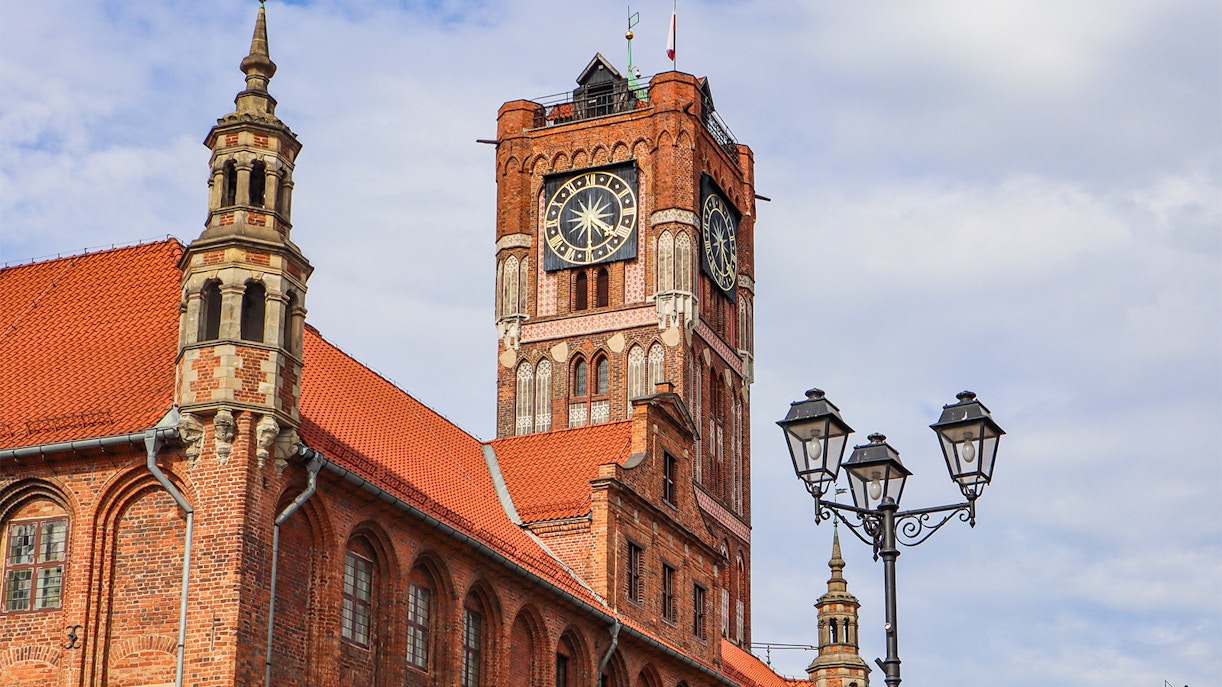
- Ratusz Staromiejski (500 m): Visit the Old Town Hall for a glimpse of local history and a stunning view from the tower.
Visitor tips
- Opt for guided tours: Consider going on a guided tour to uncover the castle's hidden gems and captivating stories. Knowledgeable guides bring history to life with their engaging narratives.
- Wear comfortable footwear: The castle's extensive grounds demand comfortable shoes. Prepare for a fair bit of walking as you explore its intricate nooks and crannies.
- Plan your day: Allocate ample time for your visit, as exploring the castle thoroughly can take several hours. Consider arriving early to beat the crowds.
- Be weather ready: Check the weather forecast and come prepared. The castle's open-air sections can be chilly, so a light jacket or sweater might come in handy.
Frequently asked questions about Malbork Castle tickets
The Malbork Castle entry tickets include hassle-free transfers from Gdansk, with hotel pick-up options. Choose between the historical or the Castle grounds route and take advantage of its multilingual audio guides to explore at your own pace.
When booking Malbork Castle entry tickets, you can choose between the historical route and the Castle grounds route. The Historical Route covers iconic indoor sites like the Grand Master’s Palace and the Great Refectory, offering a deep dive into the castle's history. The Castle Grounds Route is shorter, focusing on outdoor areas such as the Outer Bailey and the Chapel of St. Anne.
No, you cannot switch between the two routes, however, the historical route does include part of the Castle grounds, allowing you to enjoy the scenic courtyards without missing the essence of either route.
The Malbork Castle guided tours from Warsaw include transfers in private, air-conditioned vehicles. These tours also include multilingual audio guides and hotel pick-up options, ensuring a relaxing journey from start to finish.
The Malbork Castle guided tours from Warsaw include a cozy lunch at a local restaurant, featuring hearty options like stew and soups.
Depending on whether you want a castle-focused visit or want to spend time in the Old Town of Gdansk, you need around 1.5 to 5 hours to tour the Malbork Castle.
Due to its medieval architecture, only parts of the Malbork Castle are accessible to visitors in wheelchairs. Ramps and elevators connect the castle levels and ensure visitors can navigate between the main entrance, courtyards, and restrooms. Some areas, like the Grand Master’s Palace and the Great Refectory, have narrow steps and long, winding passages, which are challenging for visitors with limited mobility. The Castle Grounds Route is more accessible and allows visitors to enjoy parts of the courtyards and the Chapel of St. Anne.
