Malbork Castle visitor guide from Gdansk
Malbork Castle is a vast medieval fortress best known as the world’s largest brick castle and the former seat of the Teutonic Knights. This is not a quick photo stop: the full route covers courtyards, chapels, museum galleries, and long stretches of stairs, and most visitors underestimate both the scale and the walking. The biggest difference between a rushed visit and a rewarding one is choosing the right route before you arrive. This guide covers timing, entrances, tickets, and how to move through the castle without wasting energy.
Quick overview: Malbork Castle at a glance
If you only remember 5 things before you go, make them these.
- When to visit: Malbork Castle is open on most days with seasonal, route-specific hours; weekday mornings are noticeably calmer than late-morning summer arrivals, because most day-trippers from Gdansk and tour groups land after the first entry window.
- Getting in: From about PLN 35 for the Grounds Route and about PLN 80 for the full Historical Route, with night tours around PLN 70; advance booking is worth it in summer and on weekends, but you’ll have more flexibility in the colder months.
- How long to allow: 3–4 hours suits most visitors. It stretches toward 5 hours if you cover the church, ramparts, amber exhibits, and armor displays without rushing.
- What most people miss: The amber galleries and the outer defensive spaces get skimmed on the way to the big halls, even though both add real context to how the castle worked.
- Is a guide worth it? Yes if you want the political story, symbolism, and room sequence explained clearly, but the included multilingual audio guide is strong enough for most self-guided visits.
🎟️ Morning slots for Malbork Castle are easiest to lose in June–August. Lock in your visit before the time you want is gone. See ticket options
Jump to what you need
🕒 Where and when to go
🗓️ How much time do you need?
🎟️ Which ticket is right for you?
🗺️ Getting around
🏰 What to see
♿ Facilities and accessibility
Where and when to go

How do you get to Malbork Castle?
Malbork Castle sits on the Nogat River in Malbork’s old town, around 60km from central Gdansk and within easy walking distance of the town’s rail station.
Starościńska 1, 82-200 Malbork, Poland
- Train: Malbork railway station → 15–20 min walk → The rail route from Gdansk is the easiest option for most independent visitors.
- Bus: Malbork bus station → 10–15 min walk → Best if you’re already arriving from another town in the region.
- Taxi / rideshare: Visitor Center drop-off → 2–5 min walk → The simplest option if you want to save energy for the stair-heavy route.
- Car: Parking is available near the Visitor Center → short walk to ticketing → Useful if you’re pairing Malbork with Sztum or Kwidzyn on the same day.

Getting here from nearby cities
Malbork works especially well as a day trip from the Tri-City, and it’s also realistic from Warsaw if the castle is your main focus that day.
From Gdansk
- Distance: 60km
- Travel time: About 1 hr 10 min via regional train
- Time to budget: This still leaves enough time for a 3–4 hour castle visit without turning the day into a rush.
From Sopot / Gdynia
- Distance: About 70–90km
- Travel time: About 1 hr 15–1 hr 30 min via train, usually with a change through Gdansk
- Time to budget: Very doable, but an early departure matters if you want the full Historical Route.
From Warsaw
- Distance: About 300km
- Travel time: About 2 hr 50 min via direct train on select services
- Time to budget: Fine for a long single-focus day, but too tight if you want to add another major stop.
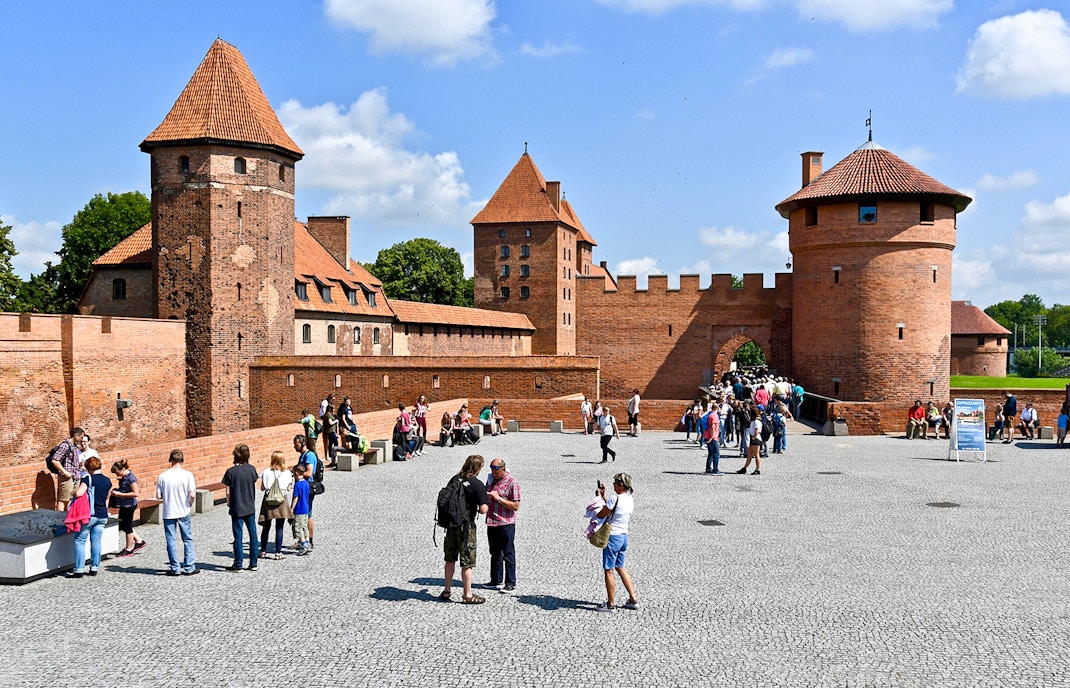
Which entrance should you use?
Most visitors enter through the Visitor Center side of the outer ward, but the common mistake is arriving without knowing whether you’re collecting pre-booked tickets or buying on the day.
- Pre-booked tickets: For visitors with timed entry already reserved. Expect about 5–15 min during busy summer mornings.
- On-the-day tickets: For same-day buyers and undecided visitors. Expect about 20–45 min during weekends and peak summer dates.
- Guided groups: For organized tours with a fixed meeting process. Expect the fastest check-in if your group arrives together.
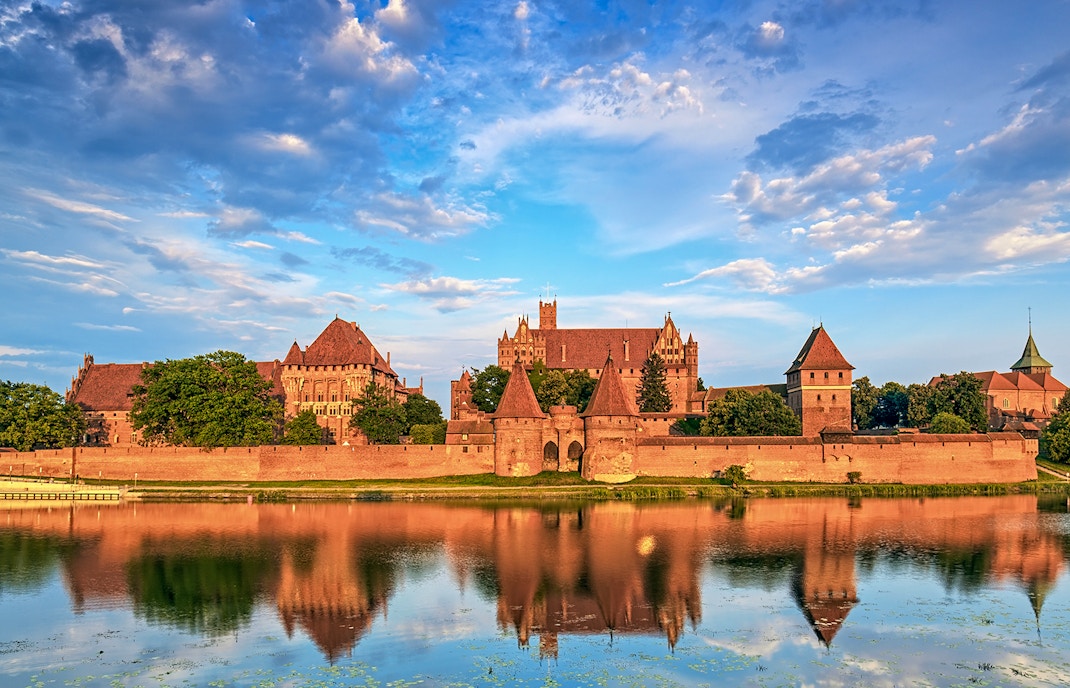
When is Malbork Castle open?
- Daily: Opening hours change by season and by route, so check the dated calendar before you choose your train.
- Monday: Free access is typically limited to the Grounds Route rather than the full interior visit.
- May–December: Night tours run on select Wednesday–Saturday evenings by reservation.
- Last entry: Early slots are the safest choice because the site is too large for a late rushed visit.
When is it busiest? Late mornings in June–August, especially once day tours from Gdansk arrive, feel the most crowded in the palace interiors and ticket area.
When should you actually go? The first morning entry on a weekday gives you quieter halls, easier photos in the Great Refectory, and more energy left for the stairs and ramparts.
How much time do you need?
| Visit type | Route | Duration | Walking distance | What you get |
|---|---|---|---|---|
Highlights only | Outer Ward → Middle Castle courtyard → Great Refectory → amber or armor exhibit → exit | 2–2.5 hrs | ~2km | You’ll see the castle’s scale and best-known interiors, but you’ll skip the slower, richer sections like the church, upper chapel, and a full rampart loop. |
Balanced visit | Outer Ward → Grand Master’s Palace → Great Refectory → St. Mary’s Church → St. Anne’s Chapel → main museum galleries → exit | 3–4 hrs | ~3km | This is the best fit for most visitors because it covers the key interiors and collections without turning the day into an endurance test. |
Full exploration | Outer Ward → Middle Castle → Grand Master’s Palace → High Castle → church and chapel → amber and armory exhibits → ramparts and towers → grounds loop | 4.5–5.5 hrs | ~4km | You’ll understand how the entire fortress worked, not just its postcard rooms, but the trade-off is a lot of stairs, repeated level changes, and real pace management. |
Which Malbork Castle ticket is best for you
| Ticket type | What's included | Best for |
|---|---|---|
Historical Route (Full Castle Tour) | Full castle interiors + museum exhibitions + multilingual audio guide | A first visit where you want the main halls, church, exhibits, and castle story in one route rather than piecing together a partial visit |
Castle Grounds Route | Outer Ward + courtyards + selected exteriors + multilingual audio guide | A short stop, a Monday visit, or a lower-cost plan where you care more about scale and defenses than interiors |
Night Tour | Evening guided tour + selected interiors and grounds | A return visit or a summer trip where atmosphere, lighting, and a different mood matter more than seeing every exhibition |
Three-Castle Combo Ticket | Entry to Malbork + Kwidzyn + Sztum castles + audio at participating sites | A wider Teutonic-castle itinerary where you want regional depth instead of spending all day at only one site |
Private guide add-on | Private guide + group-only interpretation | A visit where you want to control the pace, ask questions, and skip the stop-start rhythm of a shared group |
How do you get around Malbork Castle?
Malbork is best explored on foot, but it is large enough that you’ll feel the route if you try to cover every section without a plan. The main focal interiors sit beyond the outer defenses, so the visit gets more impressive as you move deeper into the complex.
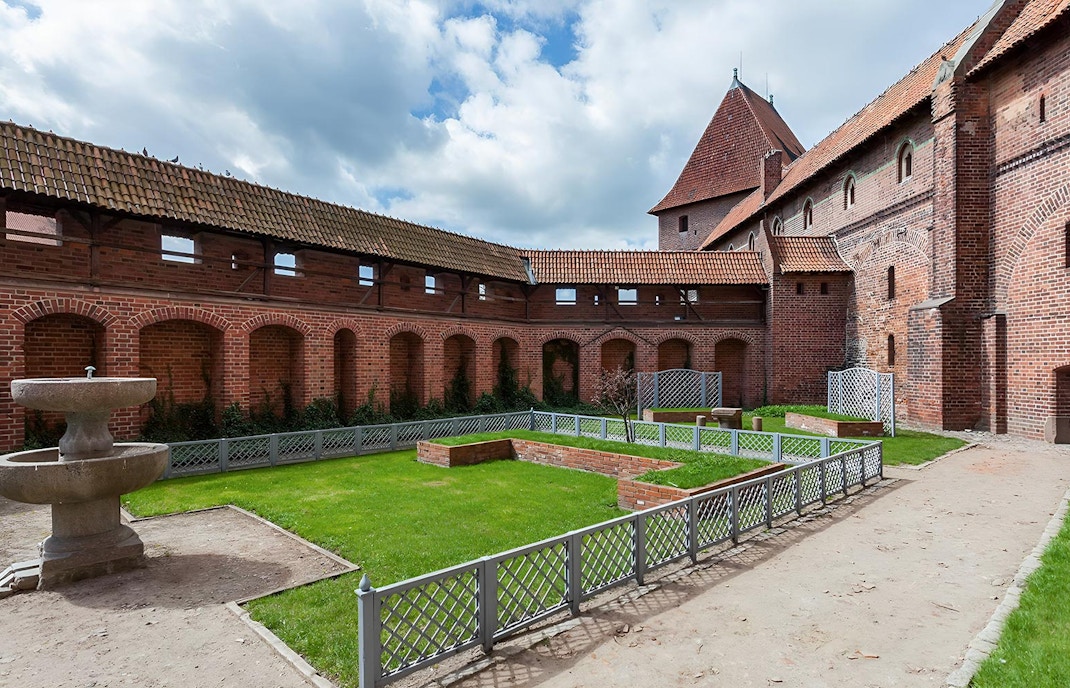
Castle layout and suggested route
- Outer Ward: Defensive walls, yards, service buildings, and the Karwan armory → budget 30–45 min.
- Middle Castle: Grand Master’s Palace, Great Refectory, and major ceremonial rooms → budget 60–90 min.
- High Castle: St. Mary’s Church, chapel spaces, and the oldest convent core → budget 45–60 min.
- Museum galleries: Amber, arms, armor, coins, and medieval fragments → budget 30–45 min.
- Ramparts and towers: Views over the river and the layered defenses → budget 20–30 min.
Suggested route: Start with the outer ward while your legs are fresh, move into the Middle Castle for the showpiece halls, then finish in the High Castle and galleries. Most visitors do the big hall first and then fade by the time they reach the church, which is why the spiritual core and upper spaces get rushed.

Maps and navigation tools
- Map: On-site route maps and visitor materials cover the main castle sections → pick one up when you collect your ticket and audio guide.
- Signage: Basic wayfinding is workable, but the size and layered layout make a map or audio route genuinely helpful on a first visit.
- Audio guide / app: Multilingual audio guides are included with standard entry and add enough context that most visitors don’t need a live guide.
- Large outdoor POIs only: The outer defenses and grounds are straightforward, but the full route is easier if you’ve decided your sequence before entering.
💡 Pro tip: Don’t save the church and chapel until the end if you care about them, the stairs and room count make many visitors run short on time and energy before they get there.
Where are the masterpieces inside Malbork Castle?
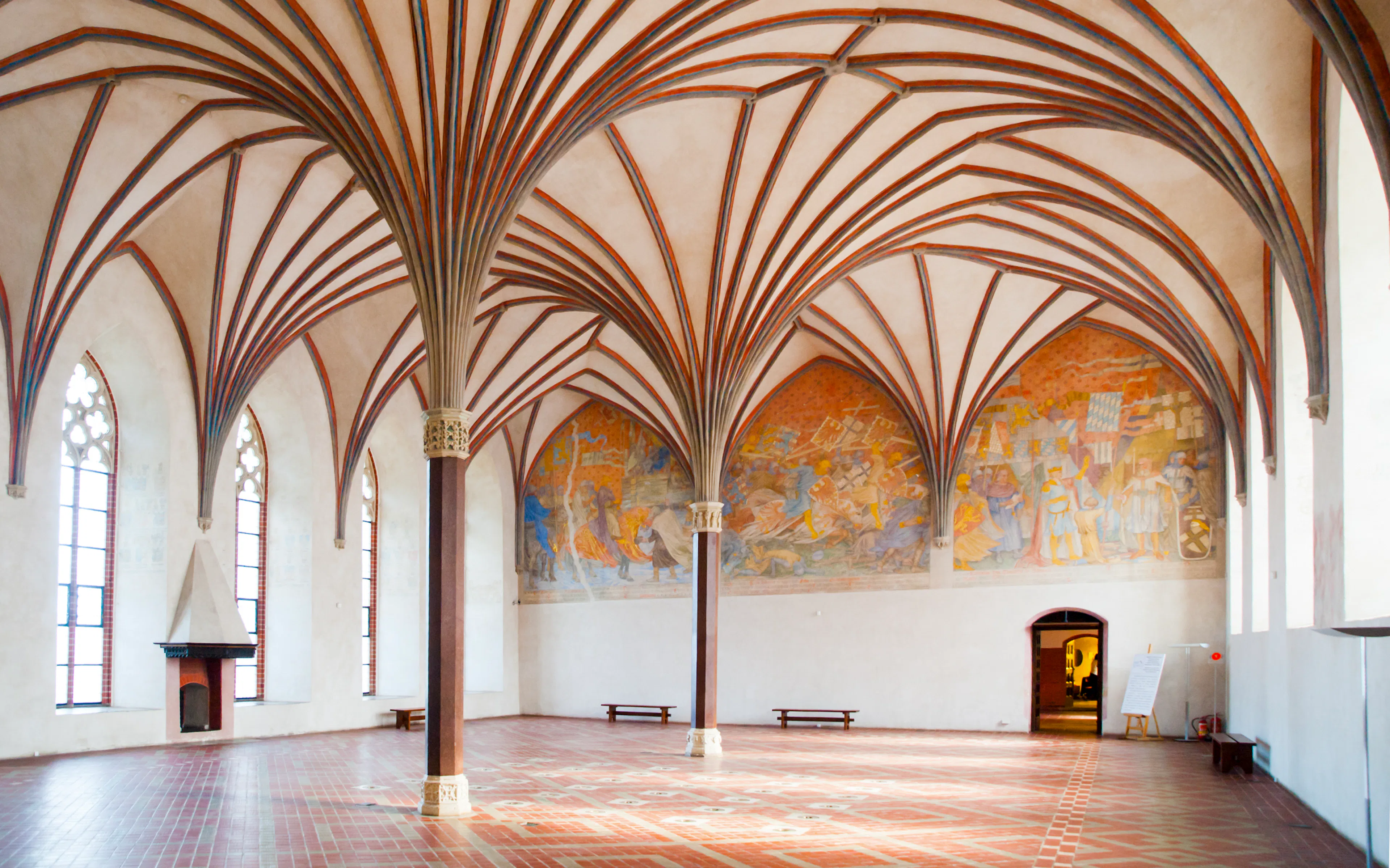
Grand Master’s Great Refectory
Attribute — Era: 13th-century Gothic ceremonial hall
This is the room that makes the castle’s scale feel real: a huge brick hall crowned by an intricate palm-vaulted ceiling that once hosted the elite of the Teutonic Order. Most visitors look up, take a photo, and move on too quickly. Slow down long enough to notice how the vaulting solves both structure and spectacle at once.
Where to find it: In the Grand Master’s Palace within the Middle Castle.
Chapter Hall
Attribute — Type: Ceremonial and political chamber
The Chapter Hall works best as a companion to the Great Refectory rather than a separate stop. It helps you understand how much of the castle was about administration and ritual, not only defense. What many people miss is that the room’s quieter mood actually makes the palace sequence easier to understand than the headline hall next door.
Where to find it: Adjacent to the Great Refectory in the Grand Master’s Palace.
St. Mary’s Church
Attribute — Type: Conventual church
This is the spiritual center of the complex, and it changes the tone of the visit after the military and ceremonial spaces. The medieval fresco traces and Gothic volume are worth more than a quick look. Many visitors rush through because they’re already tired by this point, which is exactly why it often ends up being one of the most memorable rooms.
Where to find it: In the High Castle, beyond the Middle Castle route.
St. Anne’s Chapel
Attribute — Type: Funerary chapel
St. Anne’s Chapel adds the human layer that the big halls can’t: this is where leading Teutonic Grand Masters were buried. The carved tombs and memorial function make it more intimate than the rest of the fortress. It is easy to miss because it sits behind the logic of the church visit and involves extra steps that many people skip.
Where to find it: Reached through the High Castle church zone, above the main church route.
Amber Gallery
Attribute — Type: Museum collection
Malbork’s amber displays are one of the strongest non-architectural reasons to stay longer. They show how trade, wealth, craft, and devotion intersected in this part of Europe. Most visitors pass through too quickly on the way between major interiors, but if you pause, the amber pieces make the castle feel like a working political and economic center rather than only a fortress.
Where to find it: In the Middle Castle museum galleries.
Armory and weapons displays
Attribute — Type: Military collection
The armor, blades, and defensive objects turn the castle’s walls into something practical rather than picturesque. You start to understand what daily readiness looked like in a heavily militarized headquarters. What people often miss is how these galleries explain the outer ward and ramparts you’ve already walked, so they’re best seen before you leave rather than as an afterthought.
Where to find it: In the museum exhibition spaces connected to the main castle route.
Facilities and accessibility
- 🎧 Audio guide: A multilingual audio guide is included with standard admission and is the main self-guided tool on site.
- 🍽️ Café: There is an on-site castle café for a mid-visit break, and it works best as a convenience stop rather than a destination meal.
- 🛍️ Gift shop / merchandise: There is a souvenir shop near the end of the visit, which is the easiest place to pick up castle-themed keepsakes without backtracking.
- 🅿️ Parking: Parking is available near the Visitor Center, which makes arrival straightforward if you are coming by car from Gdansk or pairing the visit with another castle.
- 🧭 Visitor Center: Ticket collection and visit setup happen here, so arrive with enough time to sort entry and audio guides before your slot.
- ♿ Mobility: Accessibility is partial rather than full, because lower levels have some aids but much of the historical route still involves steep stairs, uneven surfaces, and level changes.
- 👁️ Visual impairments: The included audio guide helps with interpretation, but this is still a strongly visual site where architecture and display cases carry a lot of the experience.
- 🧠 Cognitive and sensory needs: The calmest visit window is the first weekday entry, since later summer arrivals bring louder courtyards, busier galleries, and more stop-start movement.
- 👨👩👧 Families and strollers: Stroller access is manageable in some outer areas, but the full route is not pushchair-friendly end to end because of stairs and narrower medieval passages.
Malbork Castle works well for children who like knights, armor, and big spaces to explore, but the visit is long enough that pacing matters more than parents usually expect.
- 🕐 Time: 2–3 hours is realistic with younger children if you focus on the Great Refectory, church, and one or two museum sections instead of trying to complete every room.
- 🏠 Facilities: The café, Visitor Center services, and open outer courtyards make it easier to build in breaks than at a compact indoor museum.
- 💡 Engagement: Start with the ramparts or armor displays, because children usually connect faster with defenses and weapons than with ceremonial rooms.
- 🎒 Logistics: Bring water, keep bags light, and choose an early slot so the stairs and longer route feel manageable before energy drops.
- 📍 After your visit: A short walk around the river-facing exterior and castle grounds is an easy reset if you need space after the interiors.
Rules and restrictions

What you need to know before you go
- Entry requirement: Timed tickets are the safest option for the full route, and children under 7 still need a free 0-ticket issued for entry.
- Bag policy: A small day bag is the smartest choice here, because the route includes repeated stairs, narrow passages, and long indoor sections.
- Re-entry policy: Treat this as one continuous visit, because stepping out mid-route costs time and breaks the flow of a site that already takes 3–4 hours.

Not allowed
- 🚫 Food and drink: Save snacks and meals for the café or outdoor break points rather than carrying them through the main interiors and exhibitions.
- 🚬 Smoking / vaping: Keep it outside the main visitor flow and away from entrances, courtyards, and enclosed heritage spaces.
- 🐾 Pets: Leave pets at home unless you are traveling with a service animal.
- 🖐️ Touching exhibits / climbing: Do not touch displays or climb on walls and architectural features, because the castle’s surviving surfaces and objects are fragile.

Photography
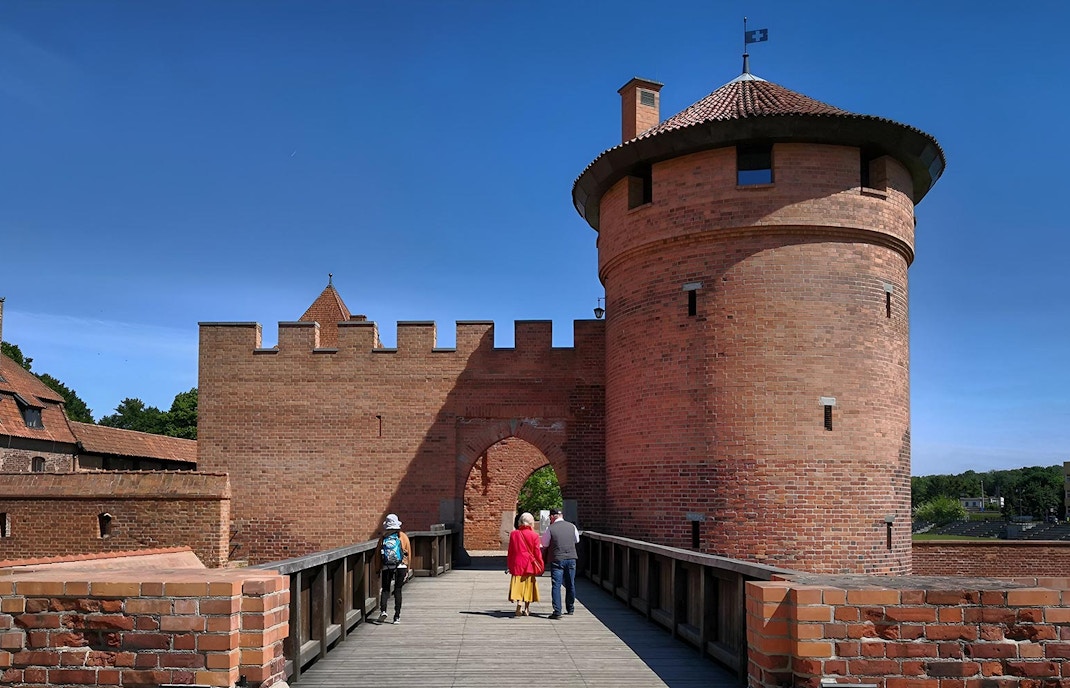
- Photography is one of the pleasures of visiting Malbork Castle, especially in the courtyards, halls, and ramparts. The main distinction to watch for is between open route areas and more sensitive interiors such as chapels or temporary exhibitions, where rules can be tighter.
- Casual personal photos are usually the easiest fit; flash, tripods, and selfie sticks are the things most likely to cause problems in narrow or delicate spaces, so check locally before relying on them.
Good to know
- Monday rule: Free Monday access is useful only if you are happy with the outer grounds, because it does not replace the full interior castle visit.
- Route reality: The castle looks compact in photos, but the full route is a genuine half-day visit once stairs, exhibits, and breaks are factored in.
Practical tips
- Booking and arrival: Book the full Historical Route a few days ahead for summer and weekend visits, then arrive at least 20–30 minutes early so ticket collection and audio-guide pickup do not eat into your timed slot.
- Pacing: Save energy for the High Castle and chapel rather than spending your best hour only in the first big hall, because the church sequence is where many visitors start to fade.
- Crowd management: The first weekday entry works best here, not just because it is quieter, but because day tours from Gdansk usually build the pressure later in the morning.
- What to bring or leave behind: Bring water and wear shoes that handle stairs and uneven medieval flooring well; a bulky backpack turns a 4-hour visit into a more tiring one than it needs to be.
- Food and drink: If you are doing the full route, either eat before entry or plan one short café break midway, because this is too long a site to “just push through” comfortably.
- Photos: If the Great Refectory matters to you, go there early in your route, before the palace interiors fill up and you lose the clean architectural views.
- Short-on-time strategy: If you only have 2 hours, choose the Grounds Route on purpose instead of attempting the full route badly.
What else is worth visiting nearby?
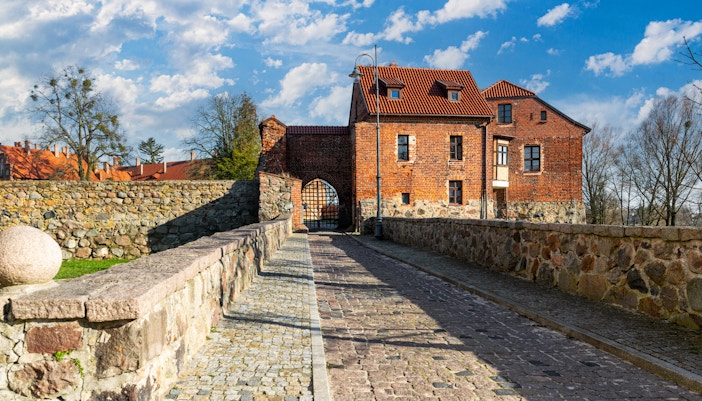
Commonly Paired: Sztum Castle
Distance: About 30km — around 35–40 min by car
Why people combine them: It is the easiest same-theme pairing if you want more Teutonic history without committing to another full-scale site.
✨ Malbork Castle and Sztum Castle are most commonly visited together — and simplest to do on a combo ticket. The Three-Castle Pass makes the regional route easier and cheaper than buying separate entries over several days.
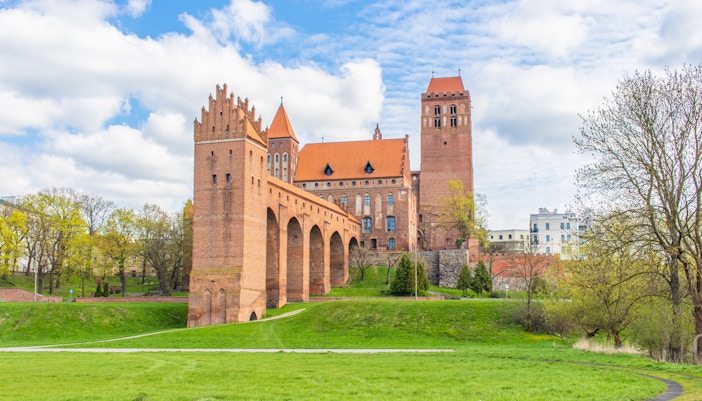
Commonly Paired: Kwidzyn Castle
Distance: About 40km — around 45 min by car
Why people combine them: It adds a different castle layout and helps turn a Malbork-focused day into a broader Teutonic architecture itinerary.
Also nearby
Gdansk Old Town
Distance: 60km — about 1 hr 10 min by train
Worth knowing: It is the most natural city add-on if you are basing yourself in the Tri-City and want a medieval-to-maritime contrast on the same trip.
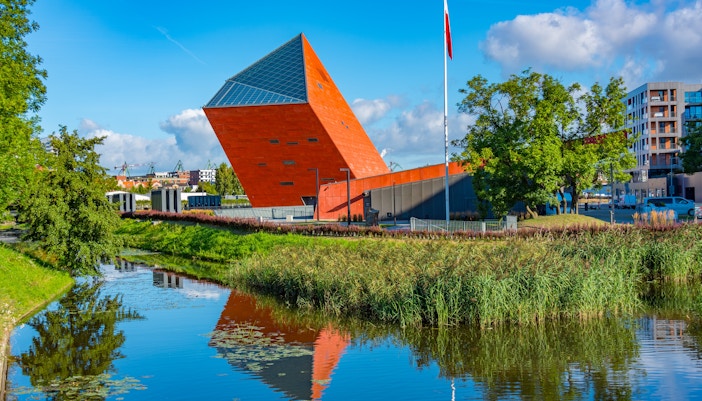
Museum of the Second World War
Distance: About 60km — just over 1 hr by train and local transit
Worth knowing: This is a strong pairing if you want the day to connect medieval state power with 20th-century Polish history rather than staying only in one period.
Eat, shop and stay near Malbork Castle
- On-site: The castle café is the practical default for a mid-visit break and works best for convenience rather than a memorable sit-down meal.
- Better options nearby: Not applicable.
- 💡 Pro tip: Eat before you enter or halfway through the route rather than at the end — the castle is large enough that low energy hits before most people expect it to.
- Castle souvenir shop: This is the most useful shopping stop on-site, especially for books, castle-themed gifts, and small keepsakes you can buy without adding another stop in town.
Malbork is a practical base only if the castle is the main point of your trip or you are road-tripping through northern Poland. For most travelers, especially first-time visitors to the region, it works better as a day trip from Gdansk than as the place you sleep. The area is quieter, more functional, and usually cheaper than staying in the Tri-City.
- Price point: Malbork generally skews cheaper than Gdansk and Sopot, though the trade-off is less evening atmosphere and fewer obvious add-on sights.
- Best for: Visitors who want to walk to the entrance, start early, and keep the day focused almost entirely on the castle.
- Consider instead: Gdansk or Sopot if you want more restaurants, easier transport links, and a stronger base for a longer northern Poland trip.
Frequently asked questions about visiting Malbork Castle
Most visits take 3–4 hours, and a full unrushed visit can stretch past 5 hours. The route is bigger than it first looks, and the time adds up once you include the church, chapel, museum galleries, and the walk between castle sections.
Yes, booking ahead is the safer move, especially for summer dates, weekends, and morning entry. You can sometimes still buy on the day, but pre-booking saves queue time and gives you a better shot at the entry window that actually suits your train or day-trip schedule.
Yes, it can be worth it in peak season if your priority is saving time rather than saving a little money. The biggest bottleneck is usually ticketing and entry processing, so anything that gets you past that friction matters more on busy mornings than it does in winter.
Arrive 20–30 minutes early for a timed visit. That gives you enough time to collect tickets, sort out your audio guide, and start the route without immediately feeling behind on a site that already needs a half-day.
Yes, a small bag is fine, but a large backpack will feel like a burden here. The route includes many stairs, upper levels, and tighter medieval spaces, so traveling light makes a bigger difference at Malbork than it does at a flatter museum.
Yes, personal photography is one of the pleasures of the visit, especially in the courtyards and major halls. Just stay alert in churches, chapels, and temporary exhibitions, where restrictions can be tighter, and do not assume flash, tripods, or selfie sticks are welcome everywhere.
Yes, Malbork Castle works well for groups, and organized tours are common from Gdansk and the wider region. The trade-off is pace: shared groups keep the logistics easy, but they also mean less time to linger in spaces such as the Great Refectory or amber galleries.
Yes, it is a strong family visit if your children like castles, armor, and big open spaces. The challenge is stamina, not content, so most families do better with a focused 2–3 hour plan than by trying to complete every room in one go.
It is partially accessible, but not fully. Some lower areas have support measures, yet much of the historic route still depends on stairs, uneven floors, and upper-level circulation, so the most atmospheric parts of the castle are also the hardest ones to reach.
Yes, there is an on-site café, and that is the easiest meal option if you do not want to interrupt the visit. For a full 3–4 hour route, it is smarter to eat before entry or plan one clear break than to hope you can rush through without stopping.
Yes, the standard visit typically includes a multilingual audio guide, and it is one of the castle’s strongest practical advantages. For most visitors, it gives enough structure and historical context that a live guide becomes optional rather than essential.
Monday is good only if you understand the trade-off. The free Monday access is typically limited to the Grounds Route, so it is useful for a budget exterior visit but not if you want the main interiors that make Malbork special.
